Overview
As semi-automated and self-driving technologies continue to evolve, the tools used to develop and validate these systems remain fragmented and complex. Within the automated driving (AD) domain, our team explored how a dedicated user interface could better support AD programmers working across highly specialised, safety-critical workflows.
This research focused on understanding the needs, challenges, and expectations of users involved in developing, validating, and interacting with automated driving systems, forming the foundation for a subsequent design vision.
My Role
I planned and conducted user research, synthesised insights, and translated findings into a product and interface vision for automated driving programming.
Research Approach
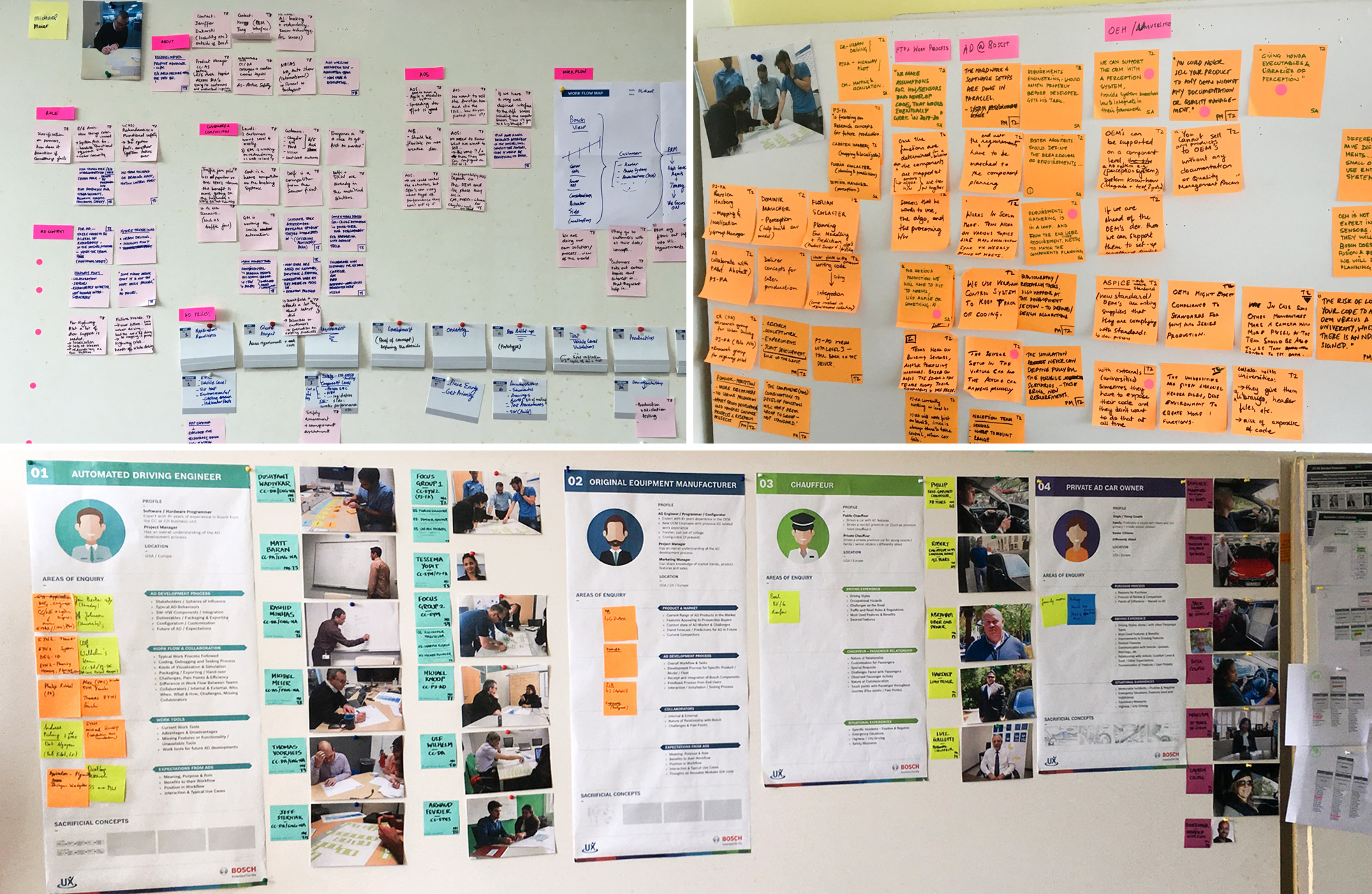
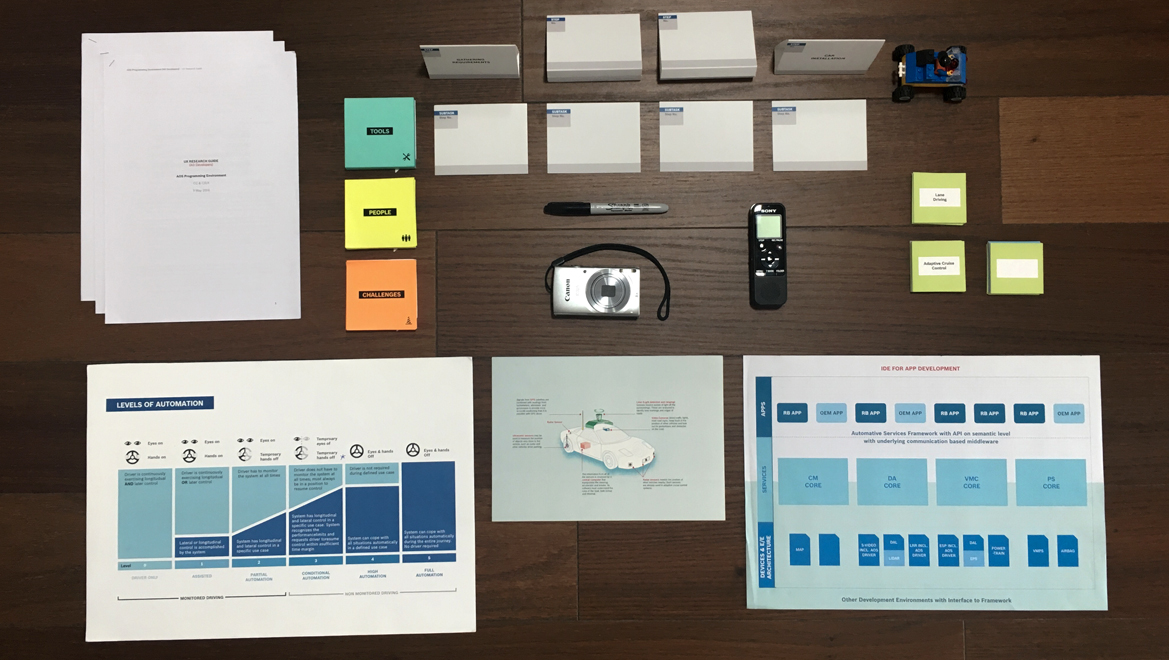
We began with in-depth desktop research to understand the broader AD landscape, followed by primary research across two core groups:
Primary users: AD experts
- Technical and managerial AD specialists at the company in study and an OEM, focused on:
- End-to-end AD development workflows
- Tools, collaboration practices, and dependencies
- Key challenges, limitations, and unmet needs
- Expectations from an Automated Operating System (AOS)
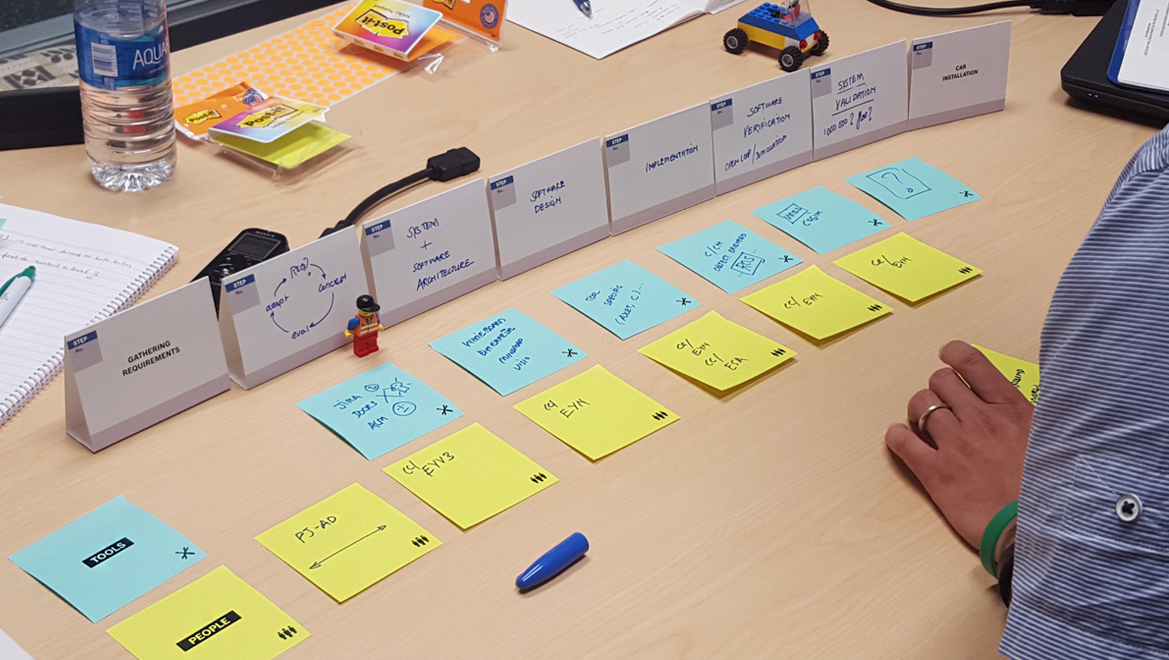
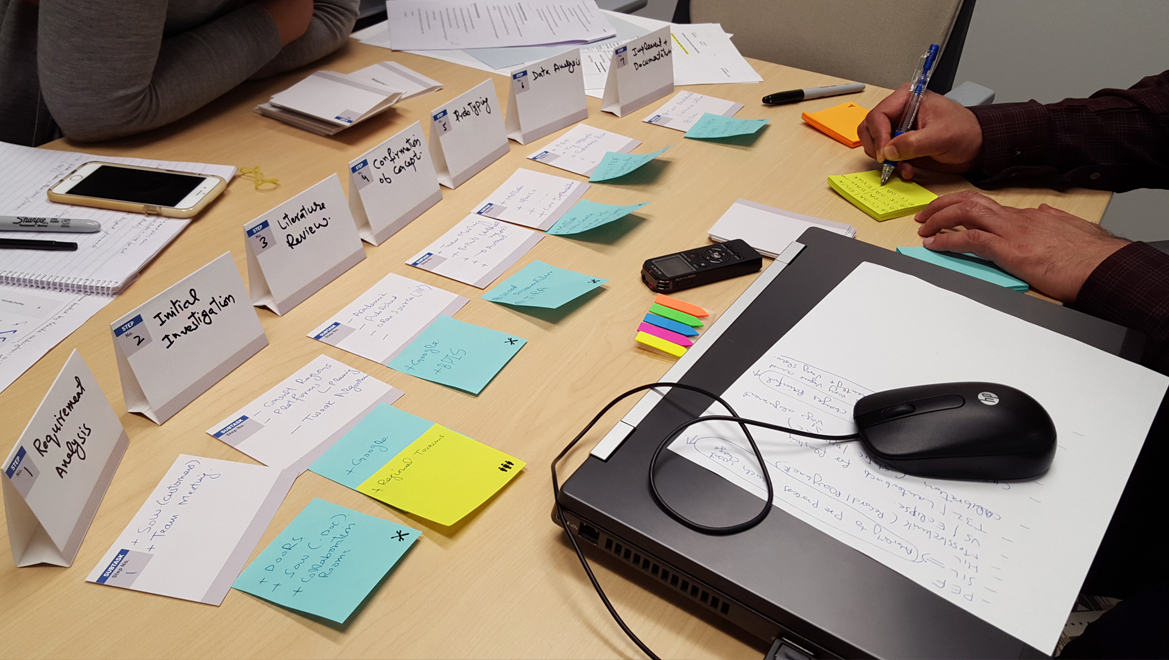
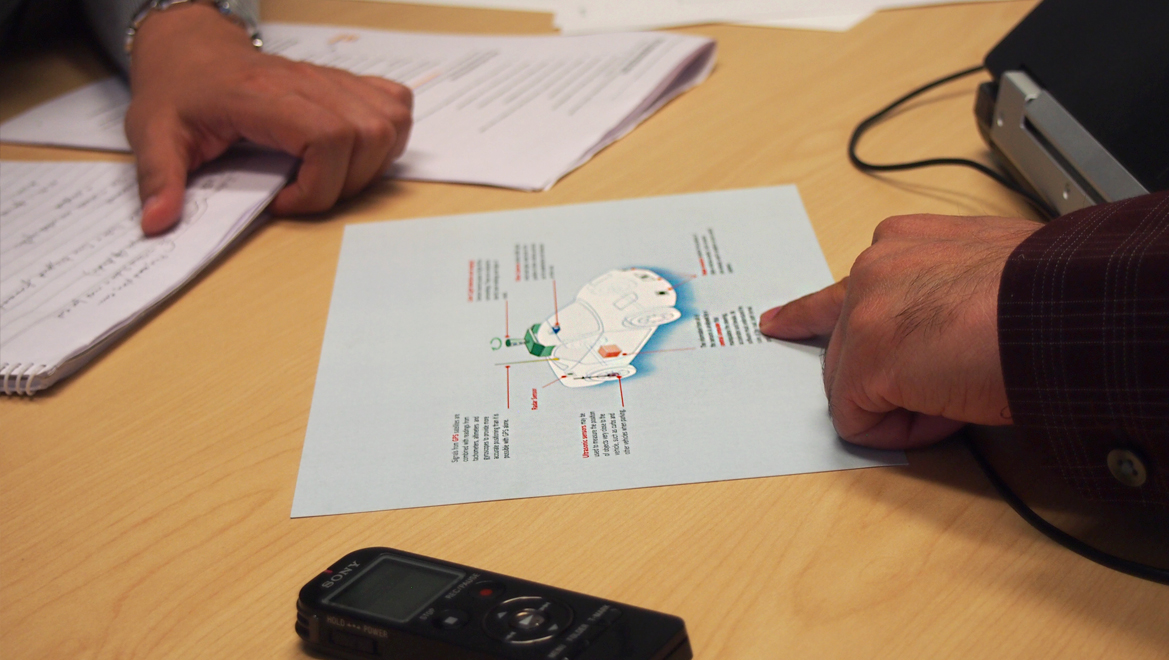
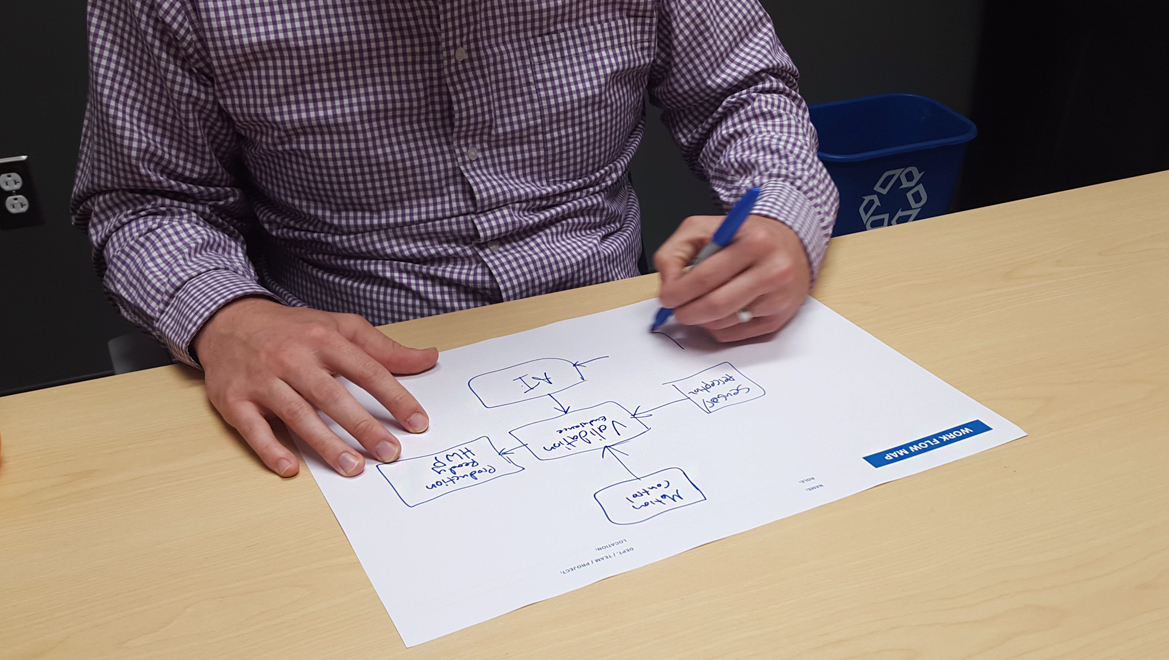
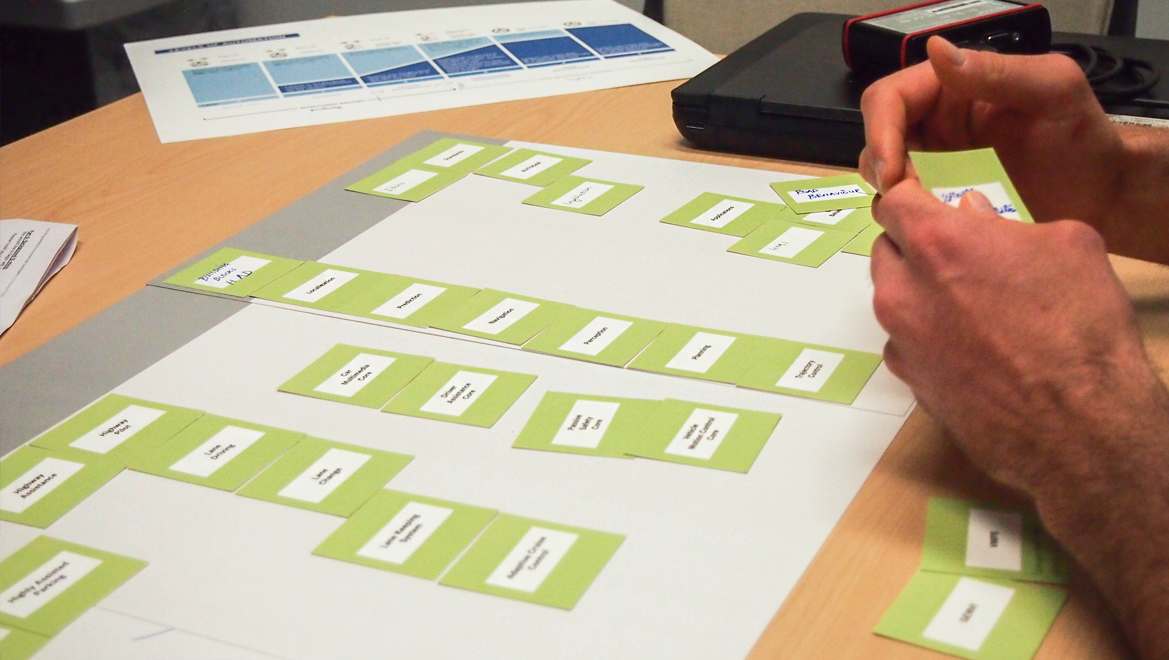
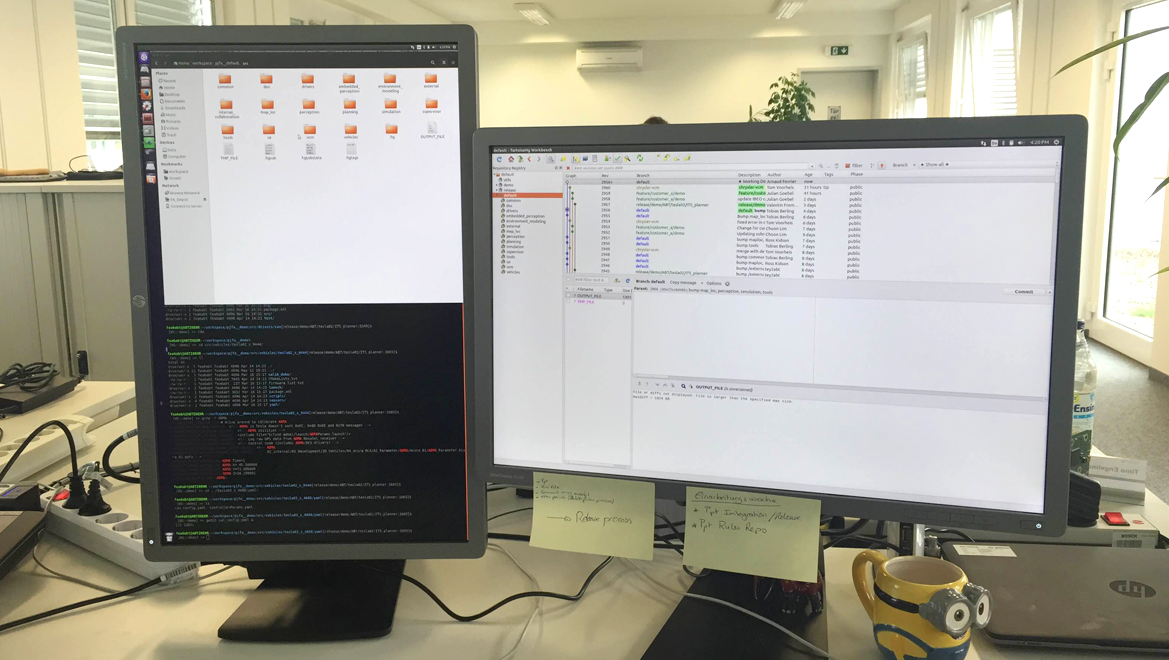
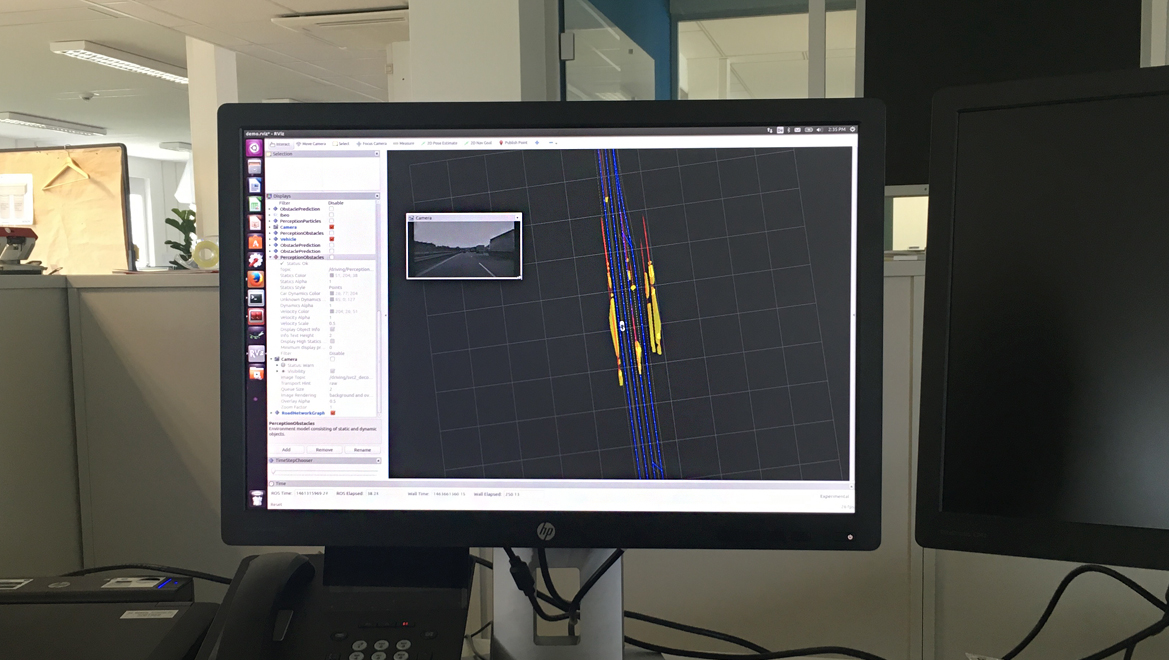
Secondary users: AD stakeholders and end users
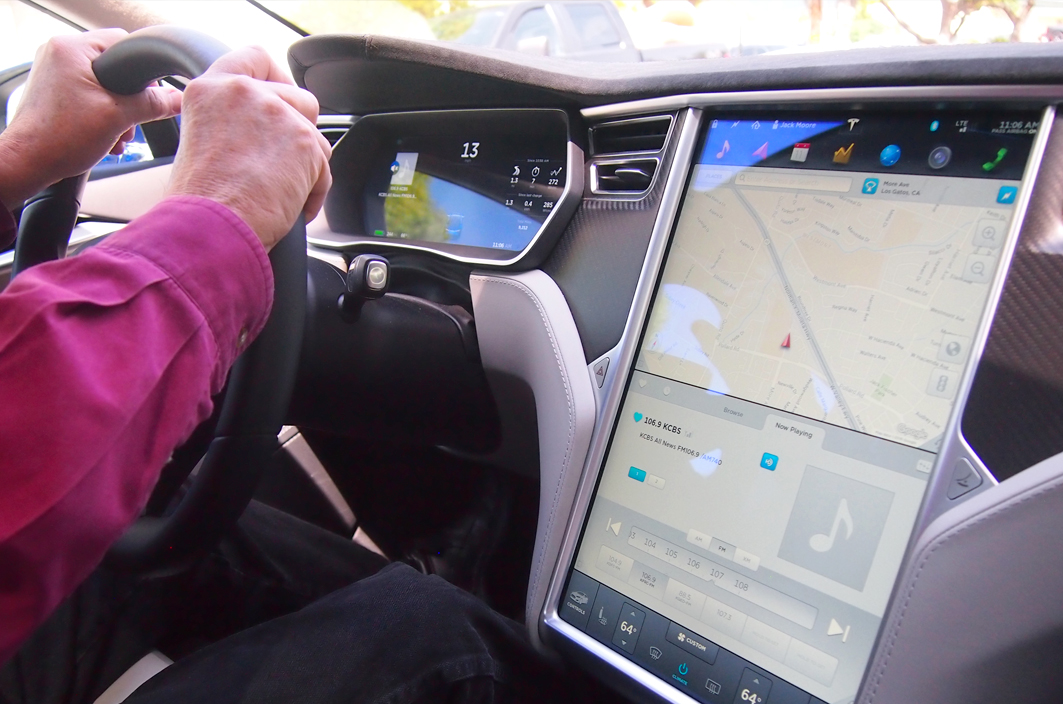
Private AD car owners, chauffeurs, taxi drivers, university researchers, and members of the software development community, focused on:
- Perceptions of current AD capabilities and limitations
- Trust, control, and customisation expectations
- Views on future AD systems and supporting platforms
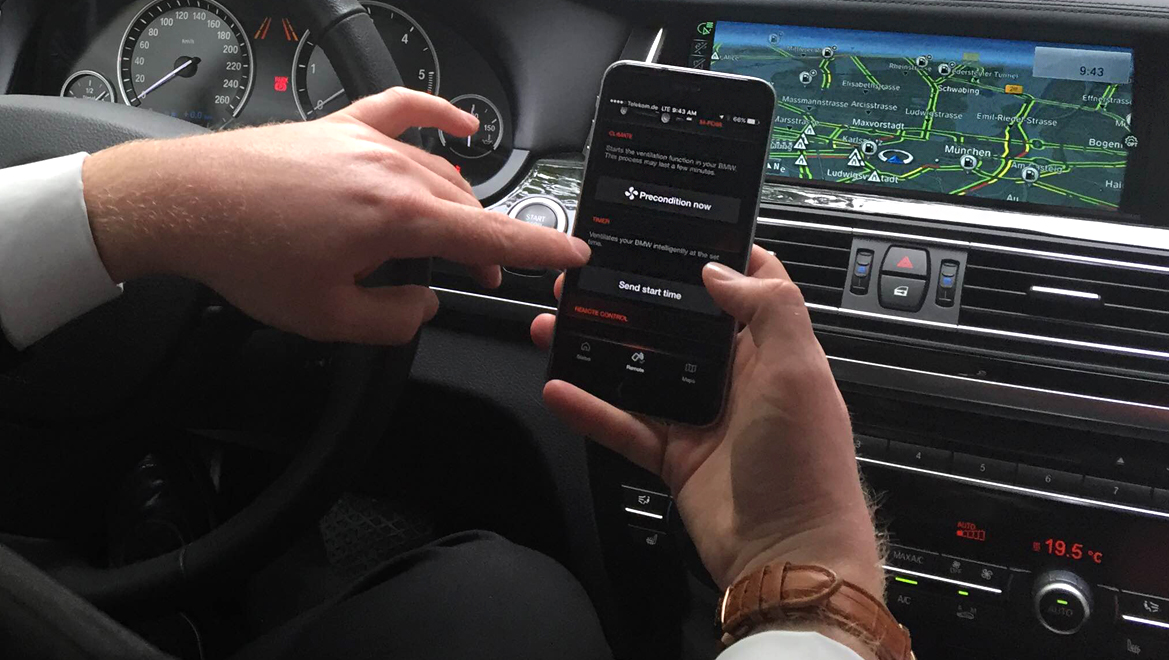
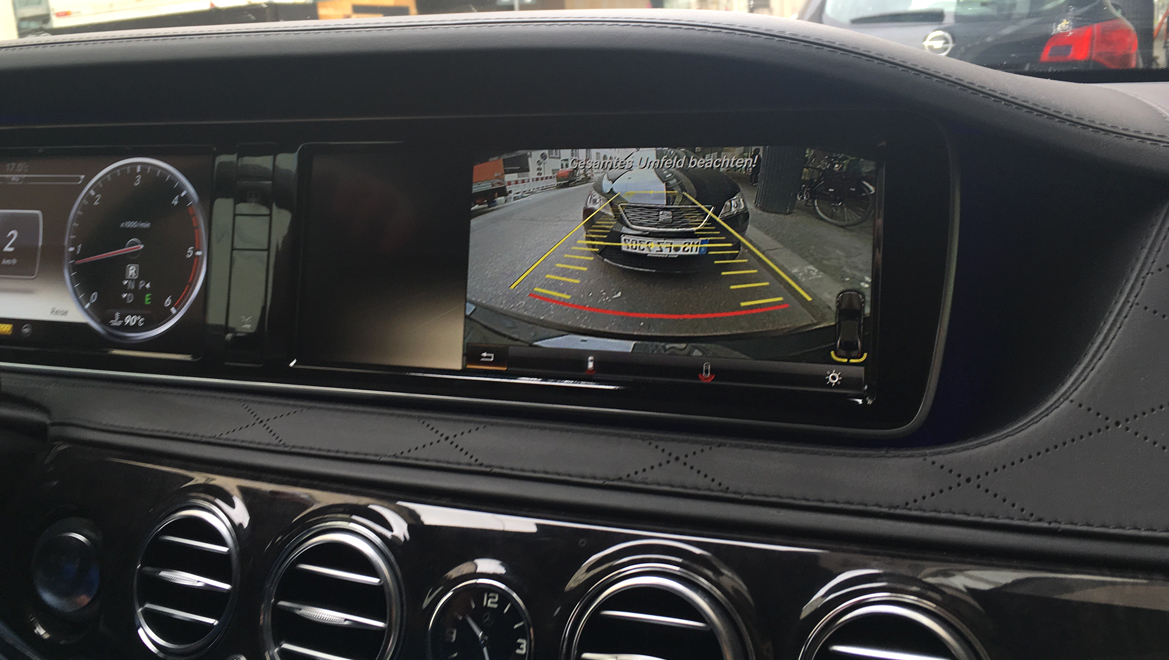
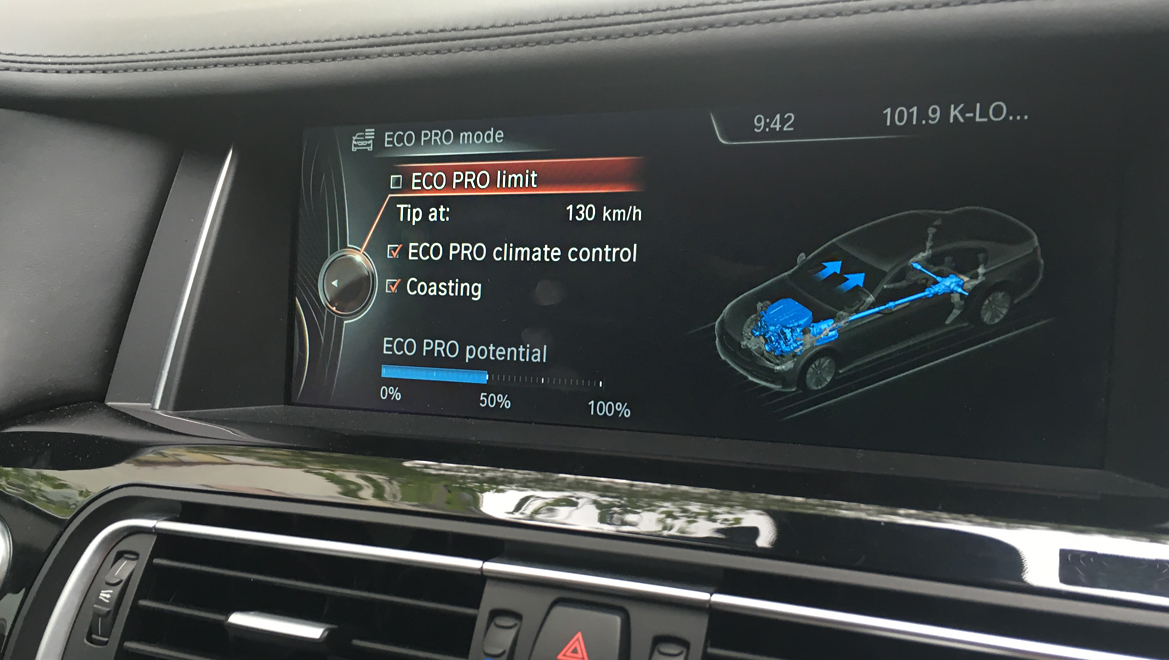
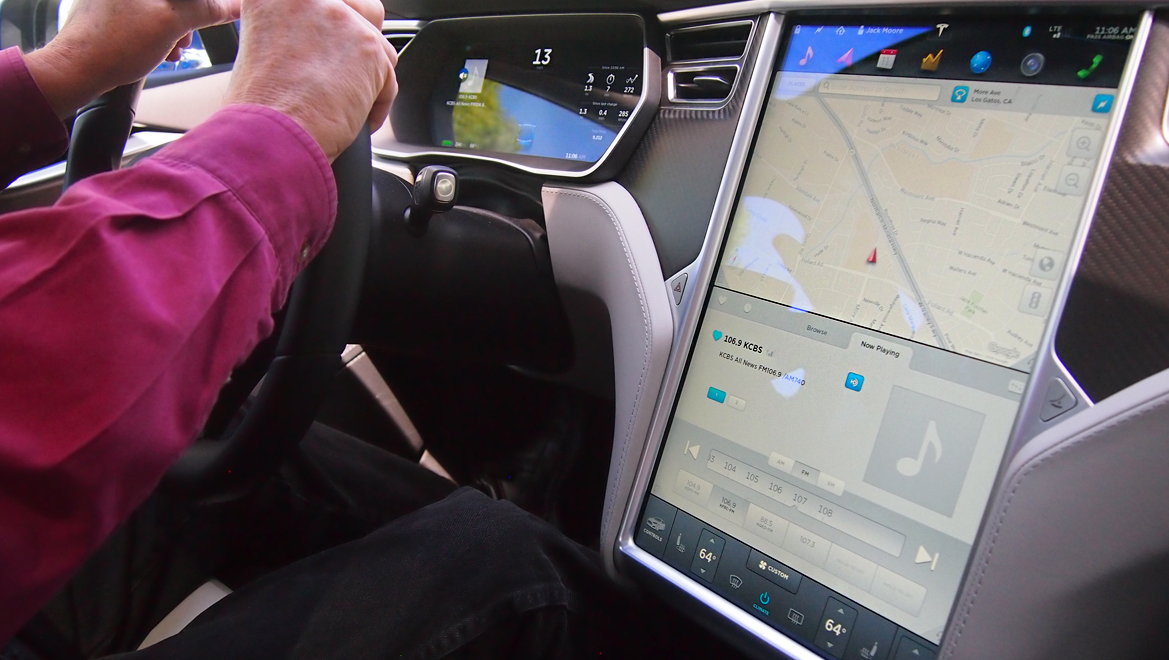
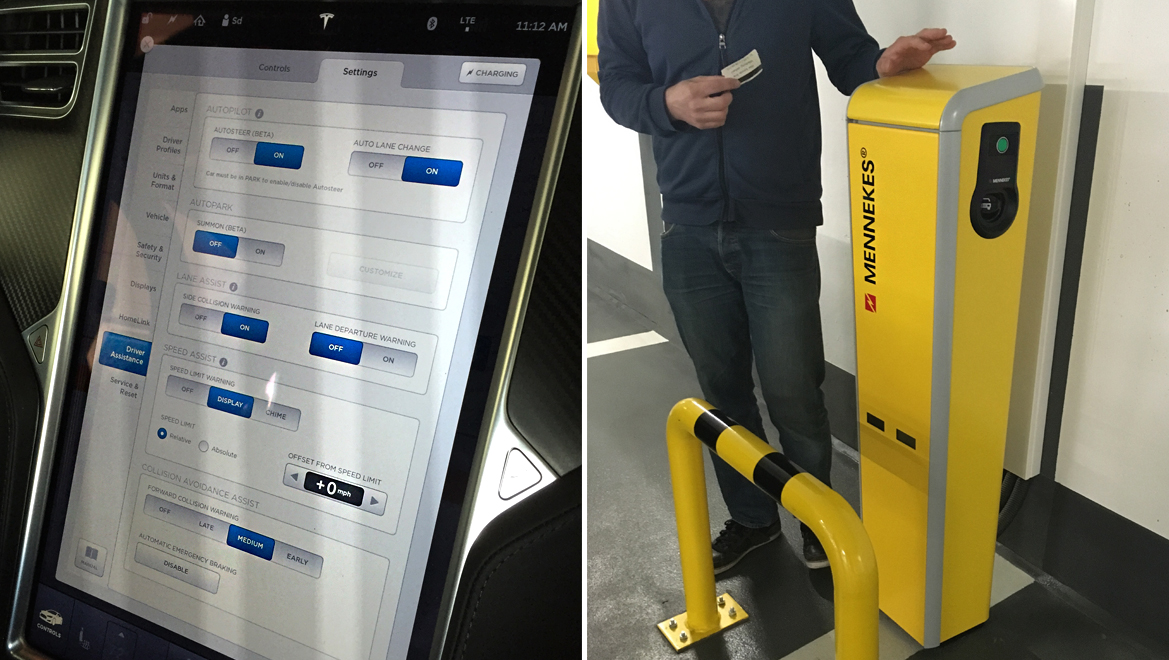
Research methods included one-on-one interviews and test drives with private car owners.
Key Insights
1. AD development is highly fragmented
AD programmers rely on a patchwork of internal and third-party tools that are not designed to work together or scale to production environments.
“It would be wonderful if simulation and emulation are brought to the same environment as coding.”
2. There is no unified, AD-specific development platform
Participants consistently highlighted the absence of a robust, customisable, and standardised IDE tailored to AD workflows.
“I would like to see the code and be able to edit it, even if ready-made functions are available.”
3. Trust and control are critical for end users
While AD technology was viewed as highly valuable, users expected gradual trust-building, transparency, and control over system behaviour.
“A good self-driving car drives smoothly, respects the law, and is more proactive than reactive.”
4. Safety and reliability must be embedded, not layered on
Across groups, reliability, validation, and safety were seen as non-negotiable, reinforcing the need for tooling that supports these requirements throughout development.
Next Steps
Research findings were synthesised into opportunity areas and user boards, which informed key use cases and design principles. These outputs directly shaped the platform vision and design concept explored in the subsequent Design phase of this project.