This case study covers the design phase of a two-part project, informed by prior research into automated driving programming.
From research to direction
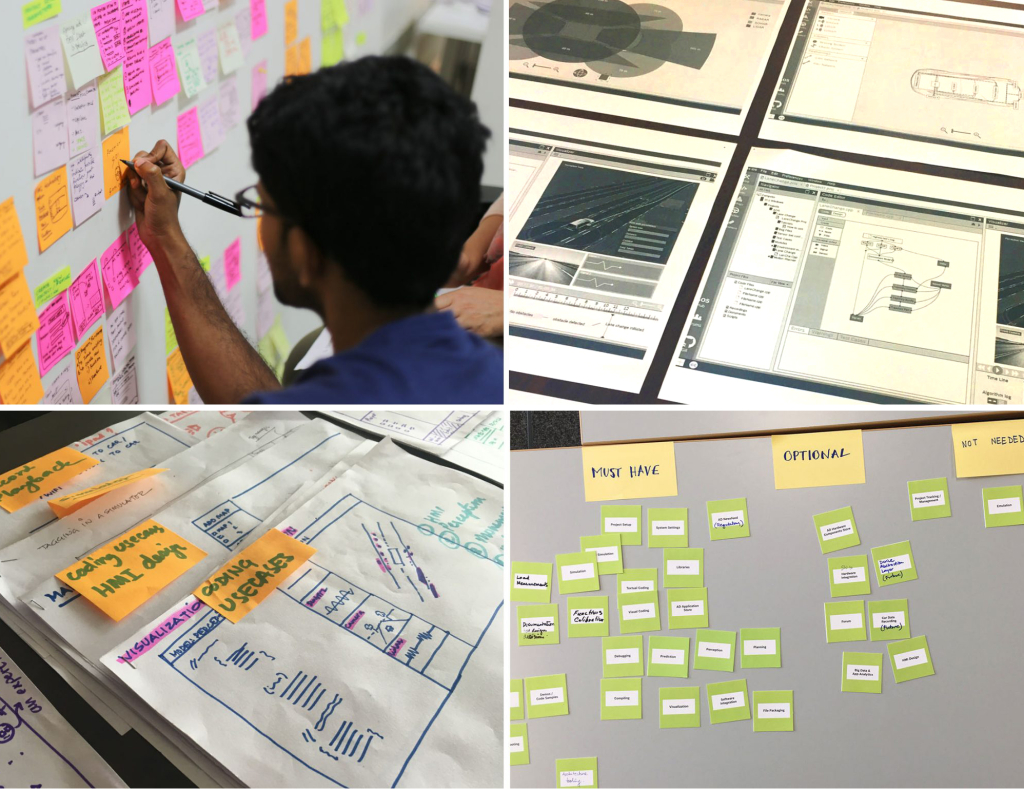
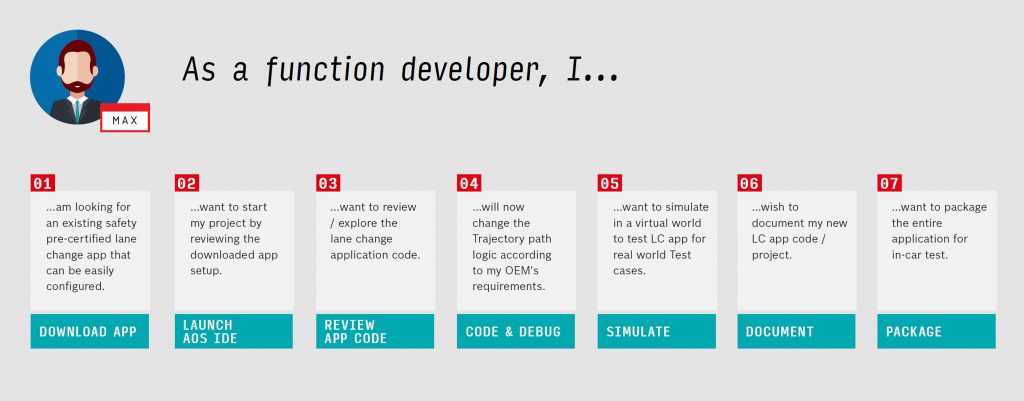
Building on insights from the automated driving research phase, we mapped user pain points, defined core use cases, and generated early concepts — refined with stakeholders through workshops to shape a clear design direction.
The Vision
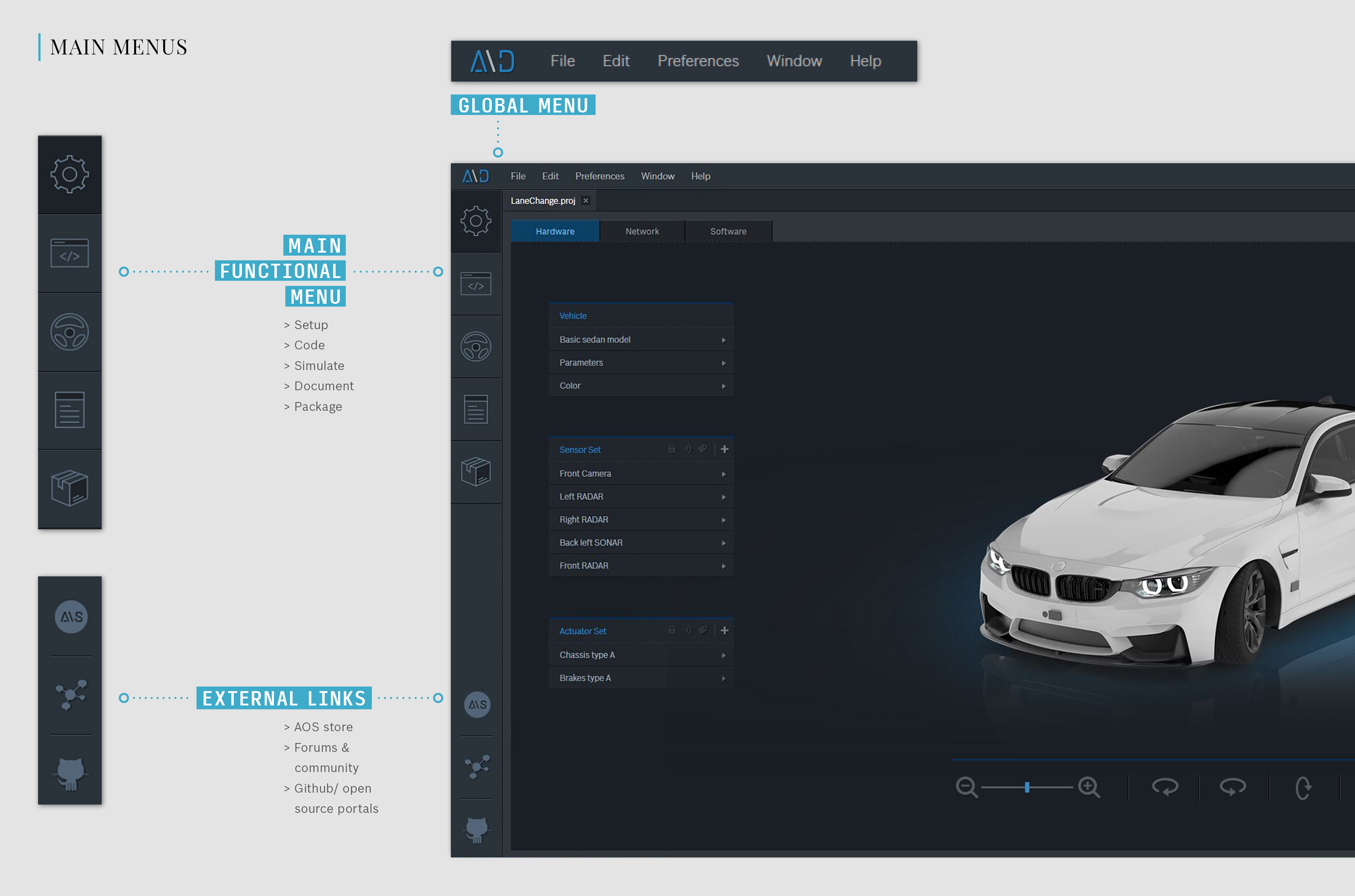
We envisioned a single, integrated platform supporting all stages of automated driving development—from Setup to Package—while remaining flexible enough to accommodate external plugins and interface with diverse hardware.
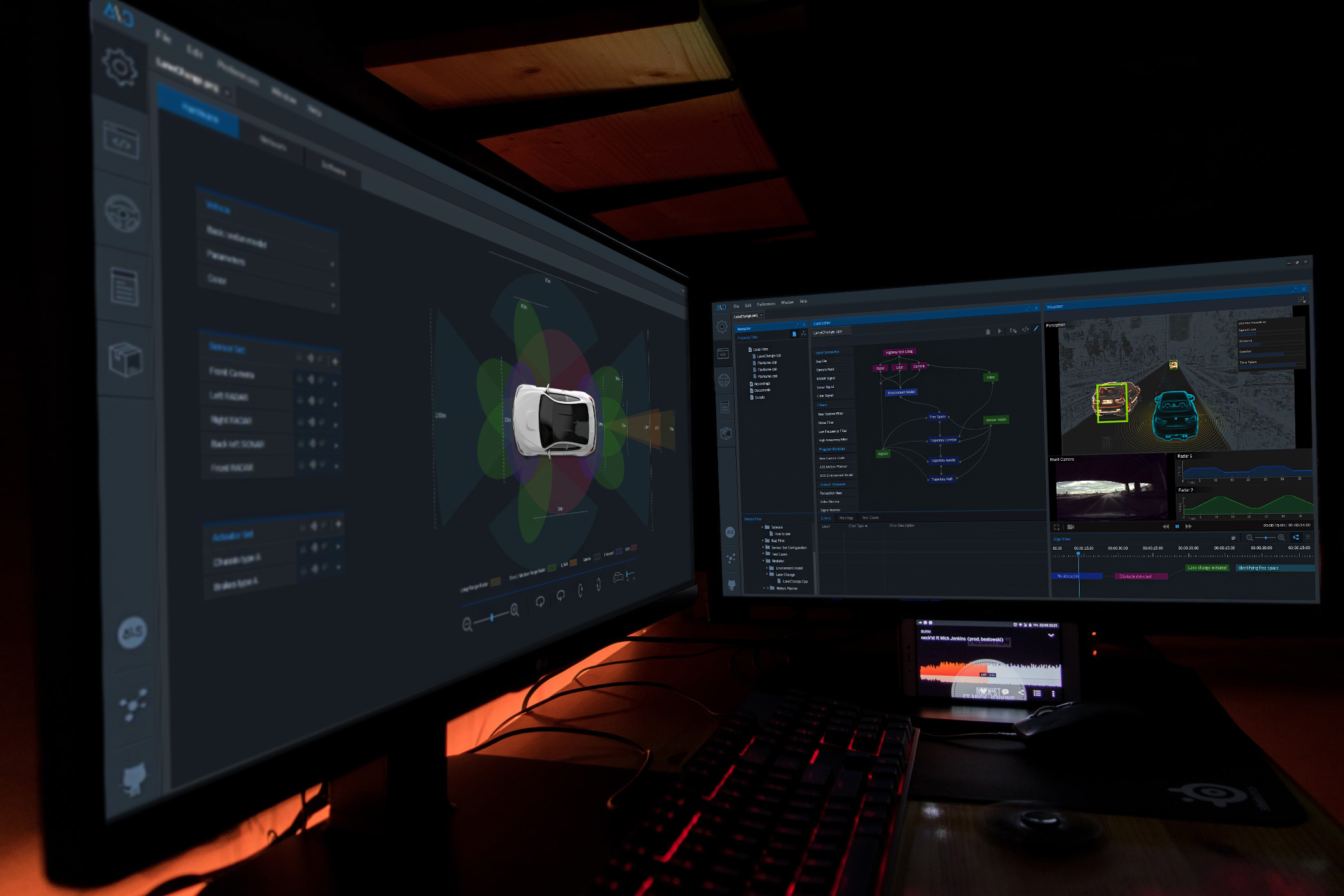
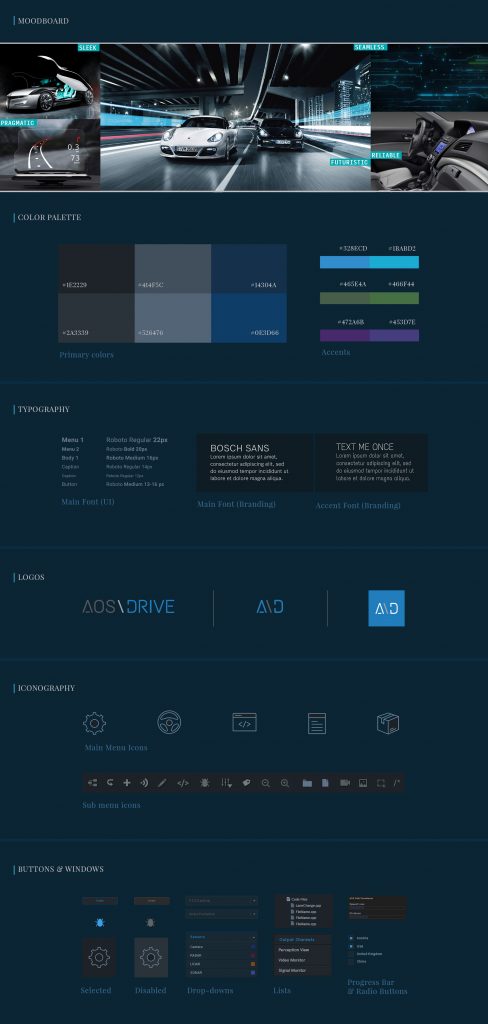
The interface was designed to feel futuristic, reliable, and frictionless, reflecting the cutting-edge nature of the domain. A dark theme with deep blues and greys, accented by saturated highlights, reduced visual clutter while supporting focus. Flexible interactions and clear hierarchy enabled efficient use by both novice and expert users.
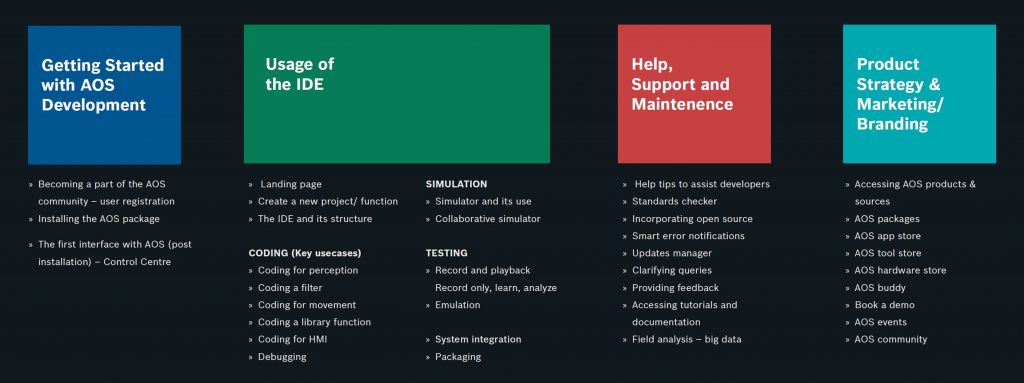
Beyond the IDE itself, we proposed a broader ecosystem — including an app store, documentation, support, and maintenance — to support collaboration between programmers and OEMs while enabling a differentiated business offering.
Core Functions
Flexible in nature, the interface allows users to work across multiple functions simultaneously. Built-in safeguards ensure necessary safety standards are always met.
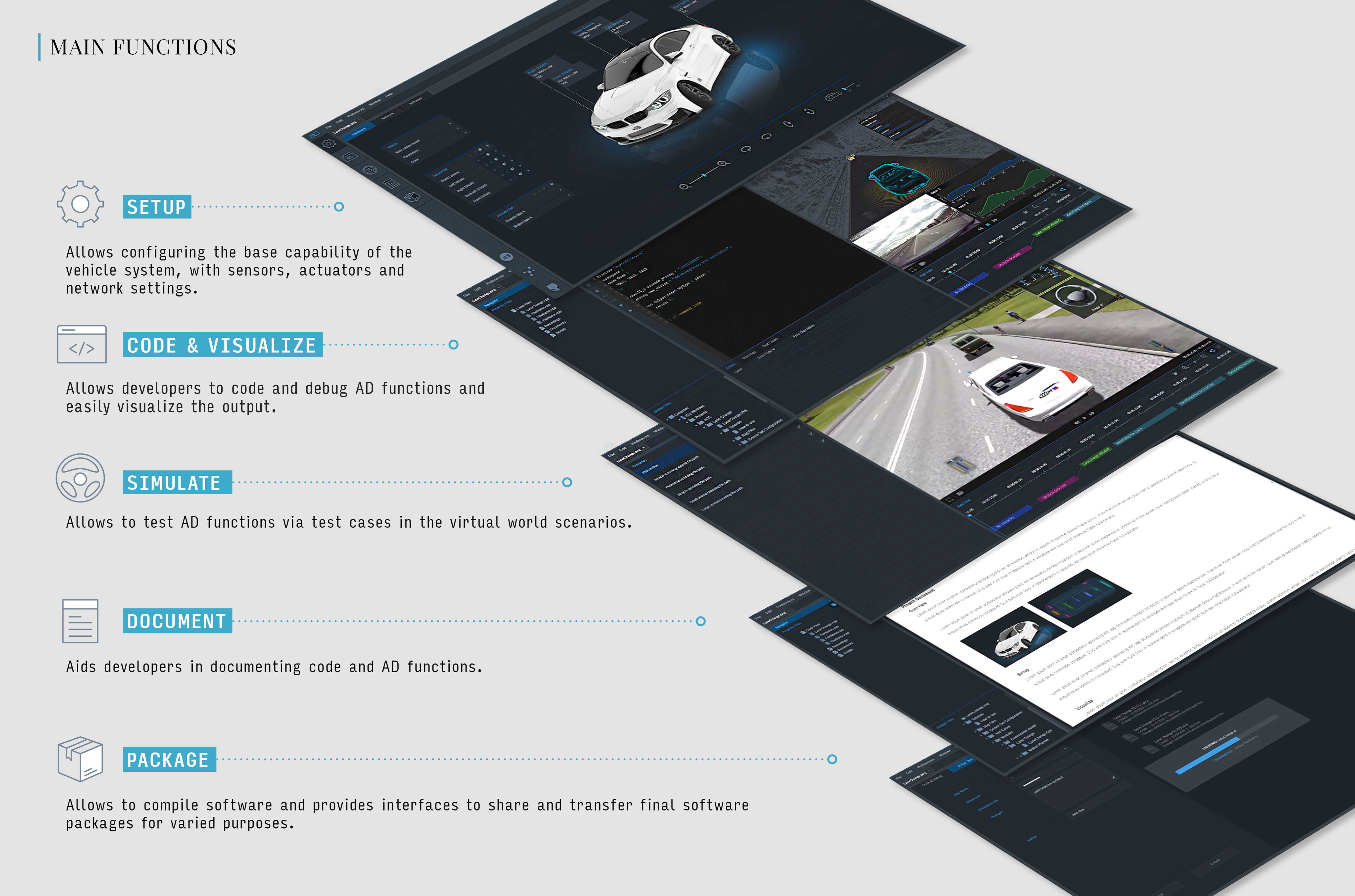
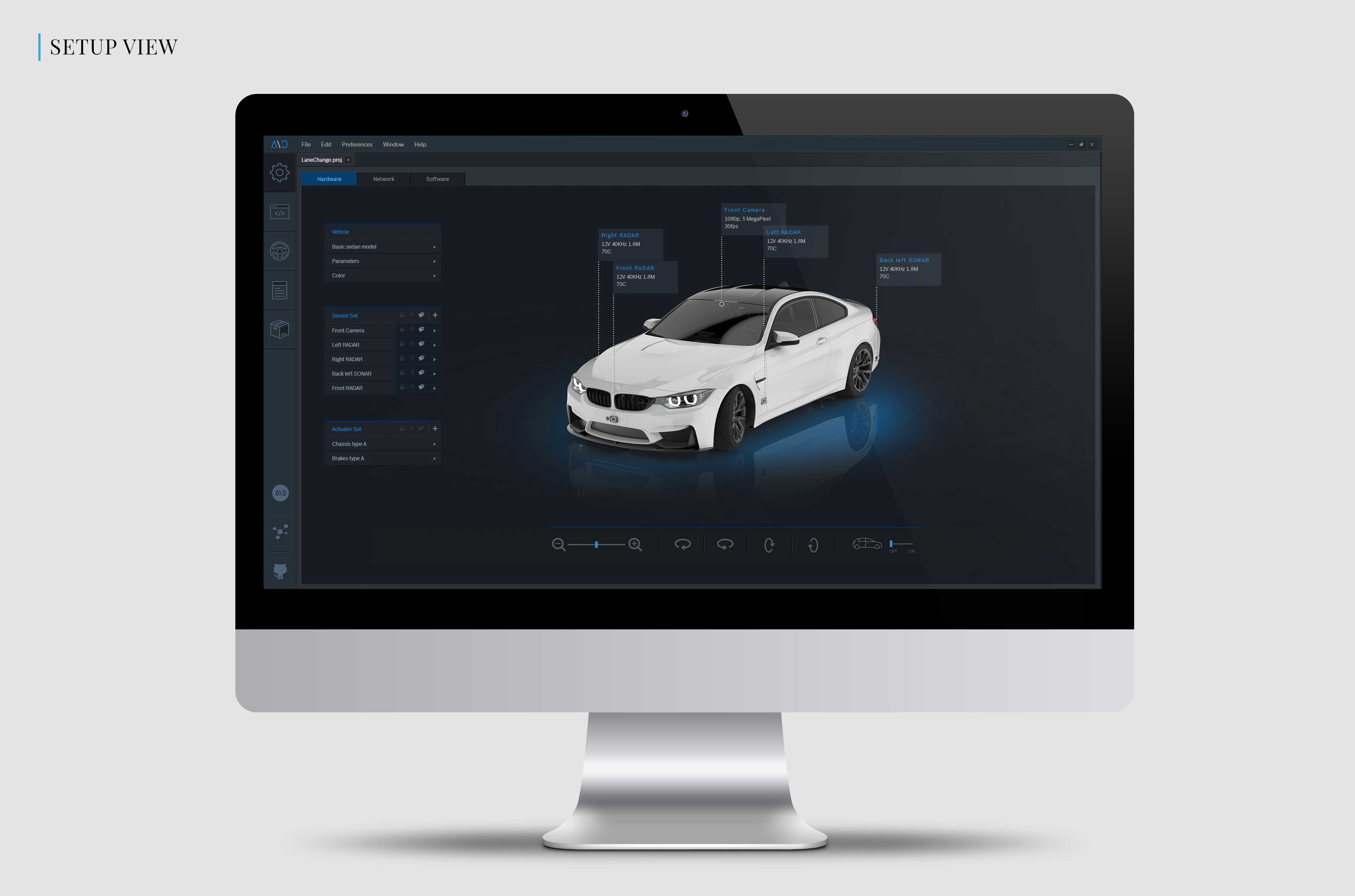
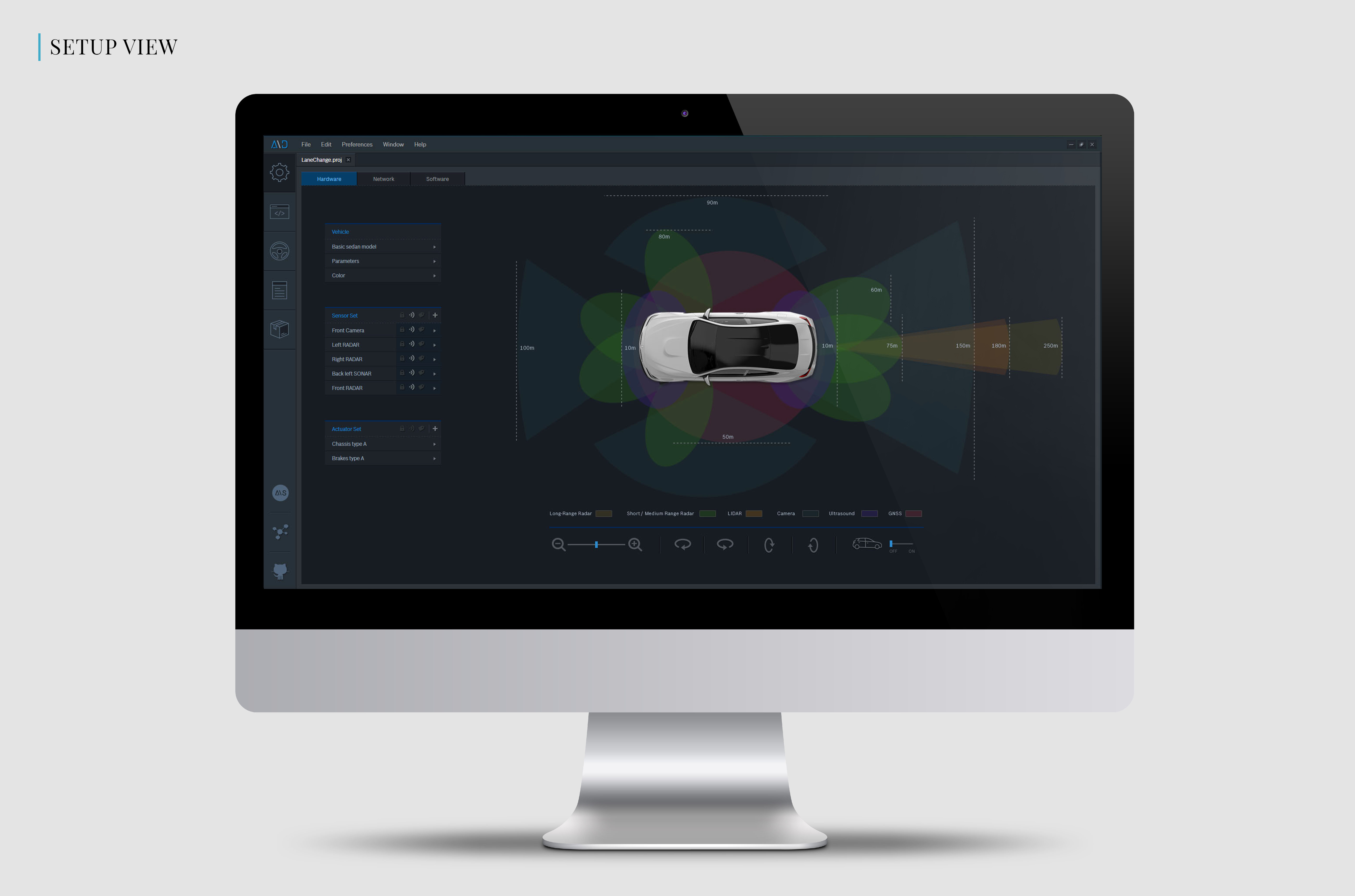
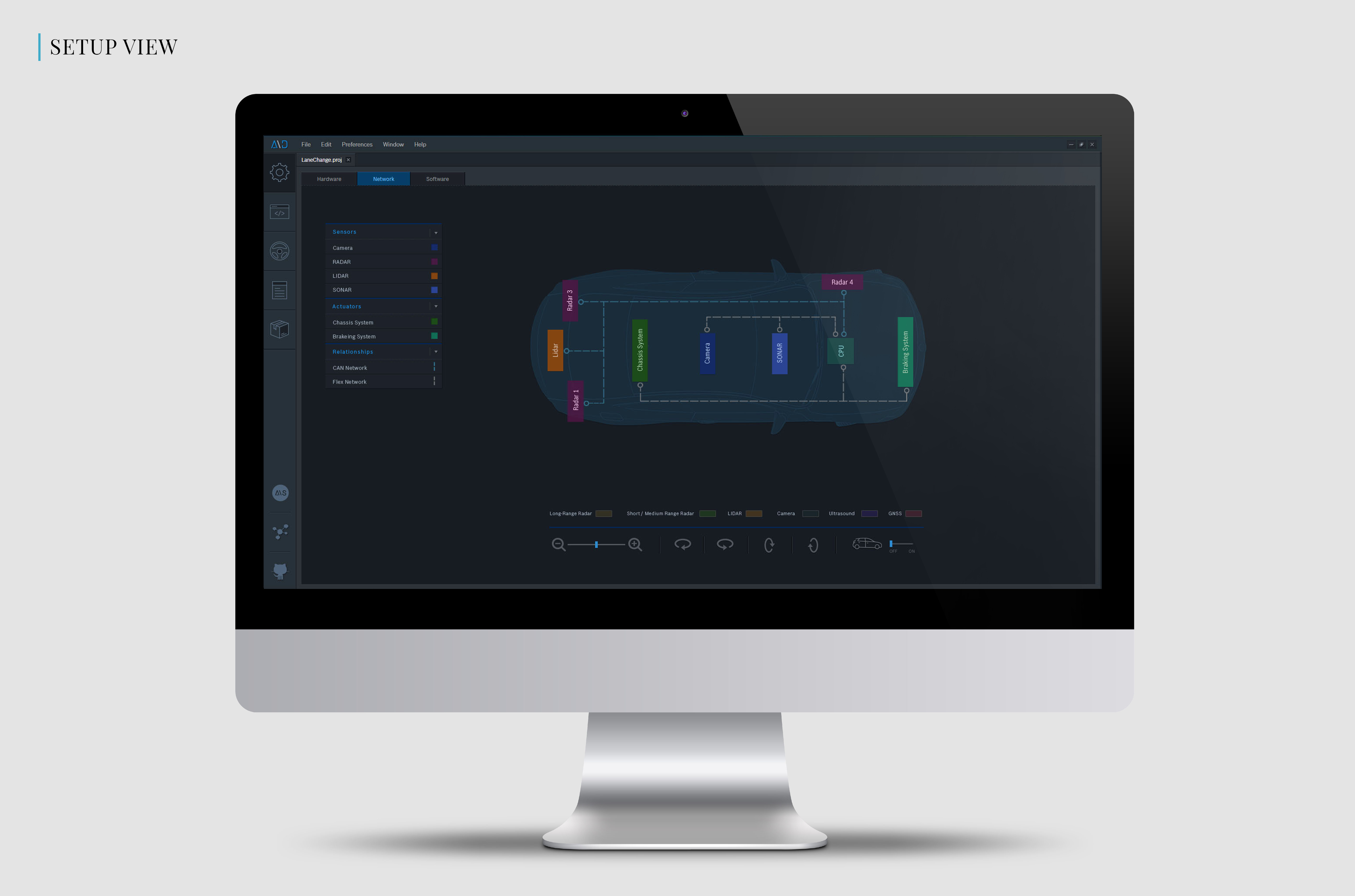
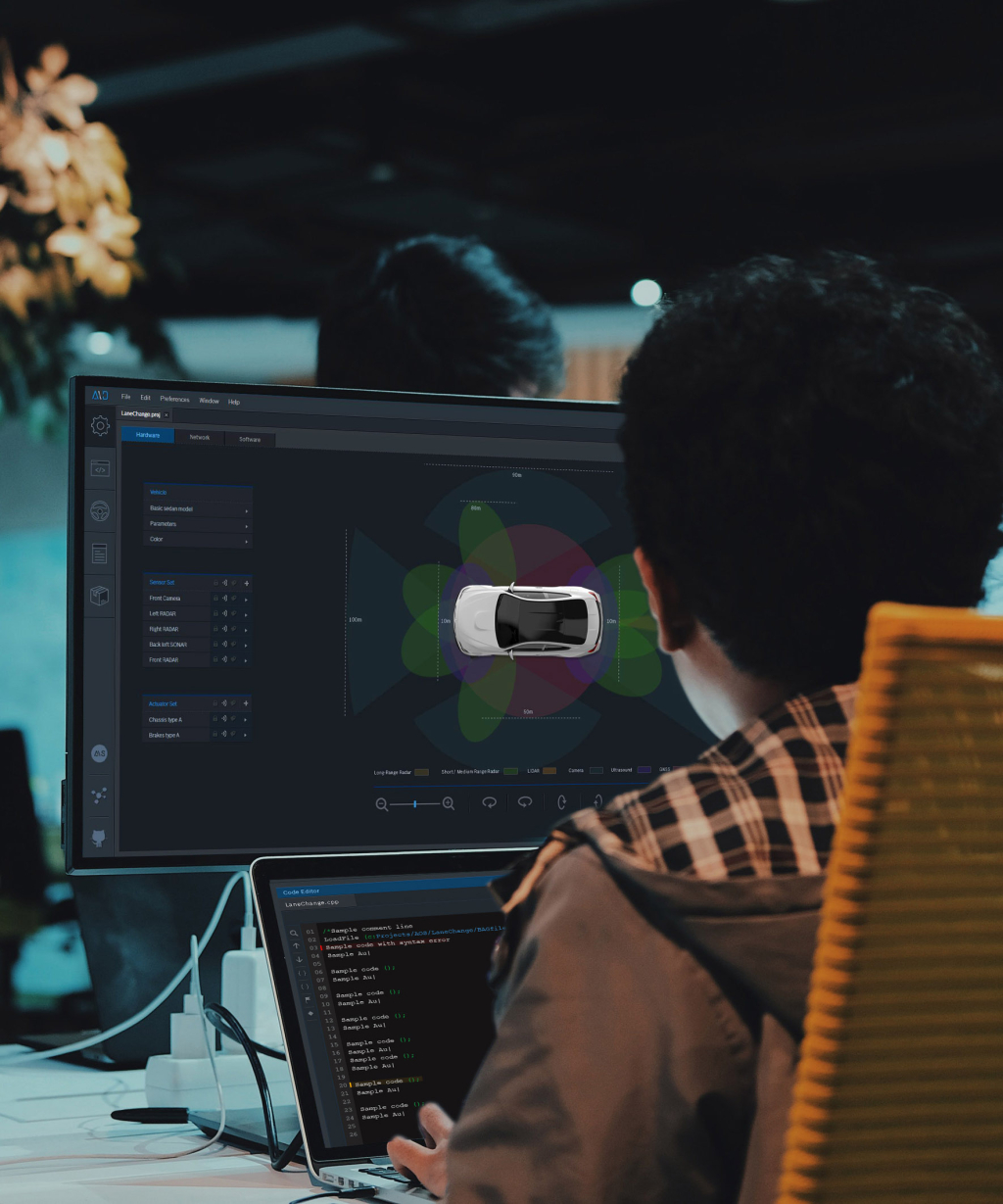
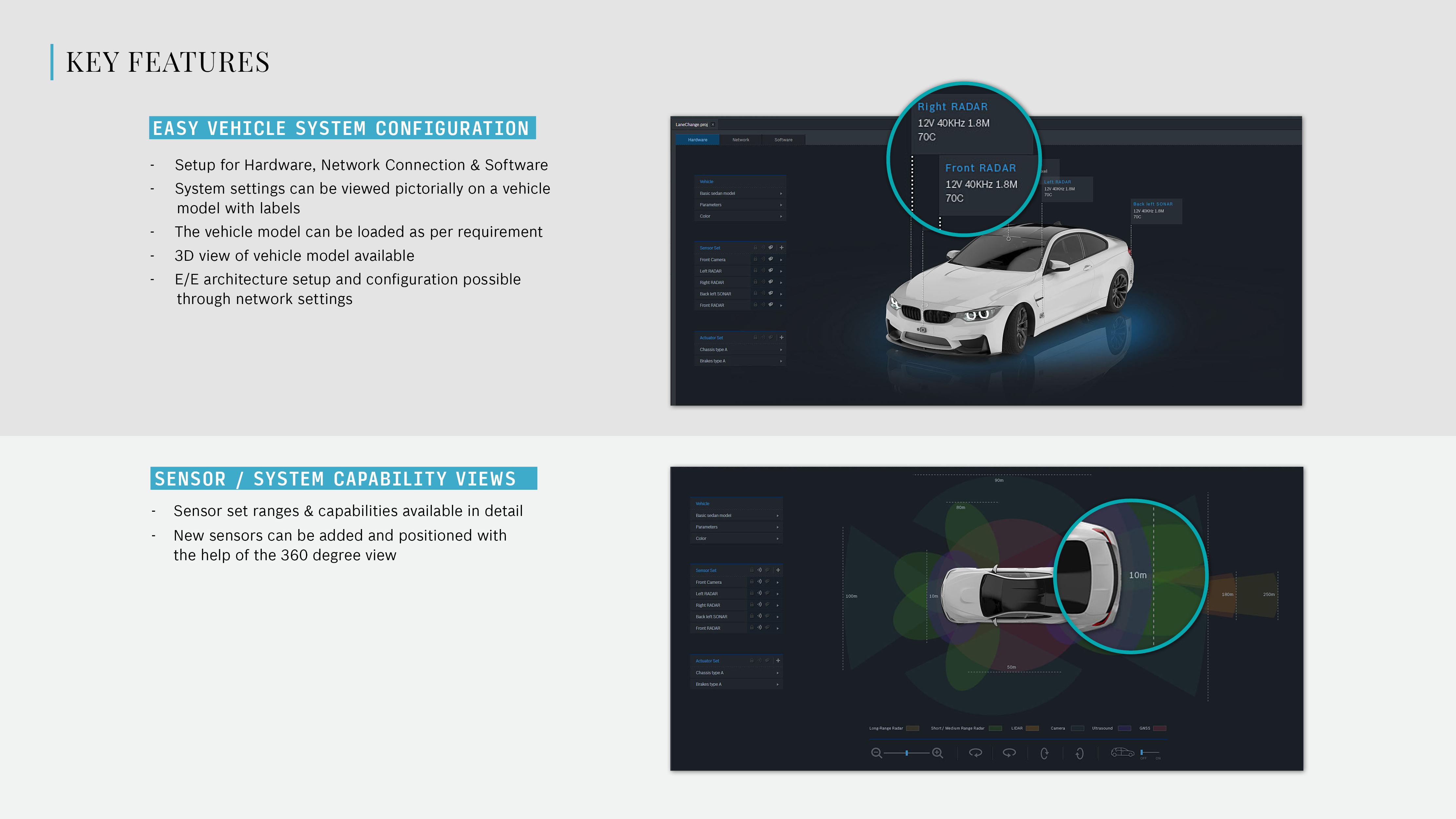
Setup: Parameters such as sensor positions, sensor ranges, and network architecture can be configured or validated before development begins.
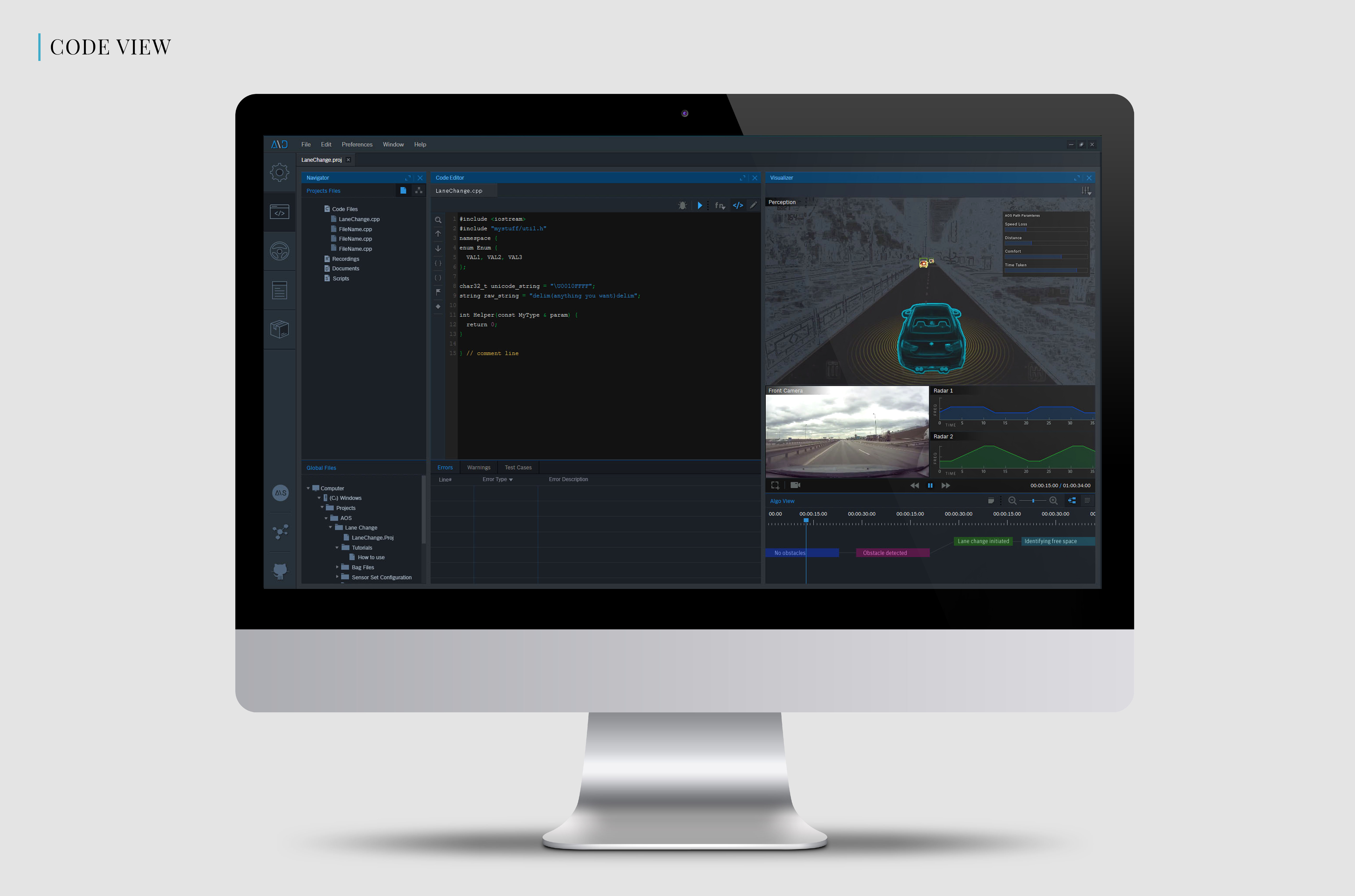
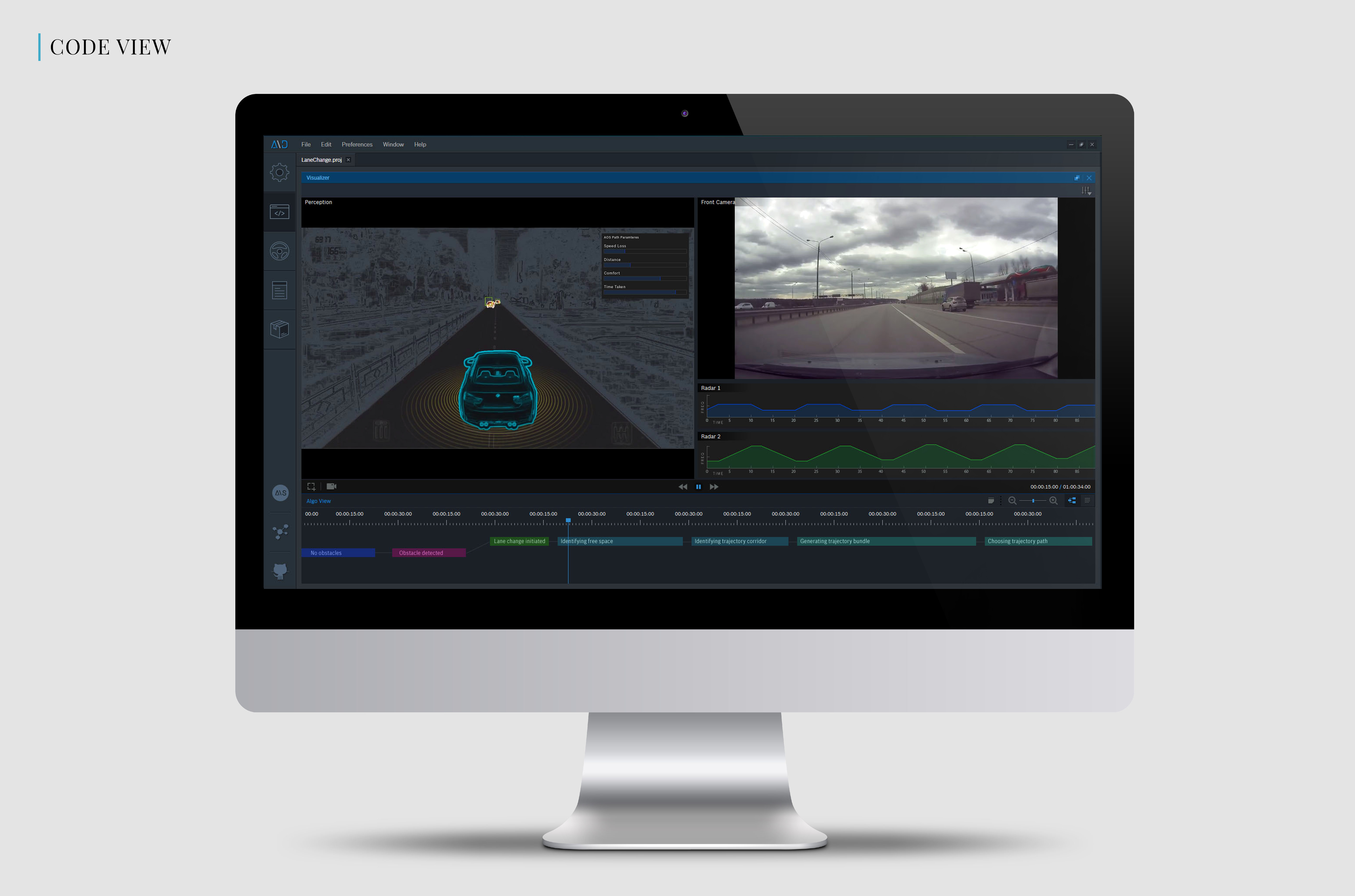
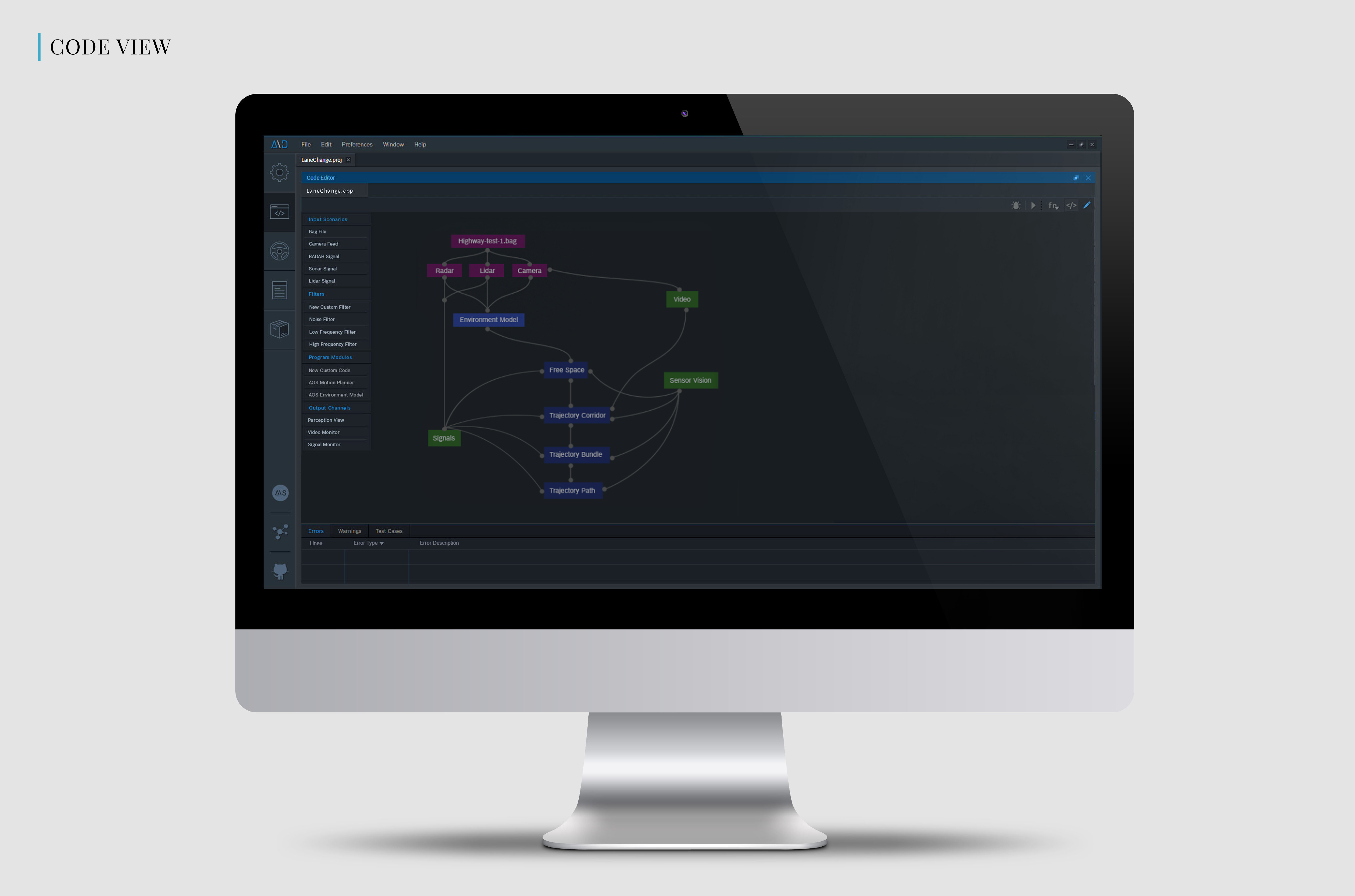
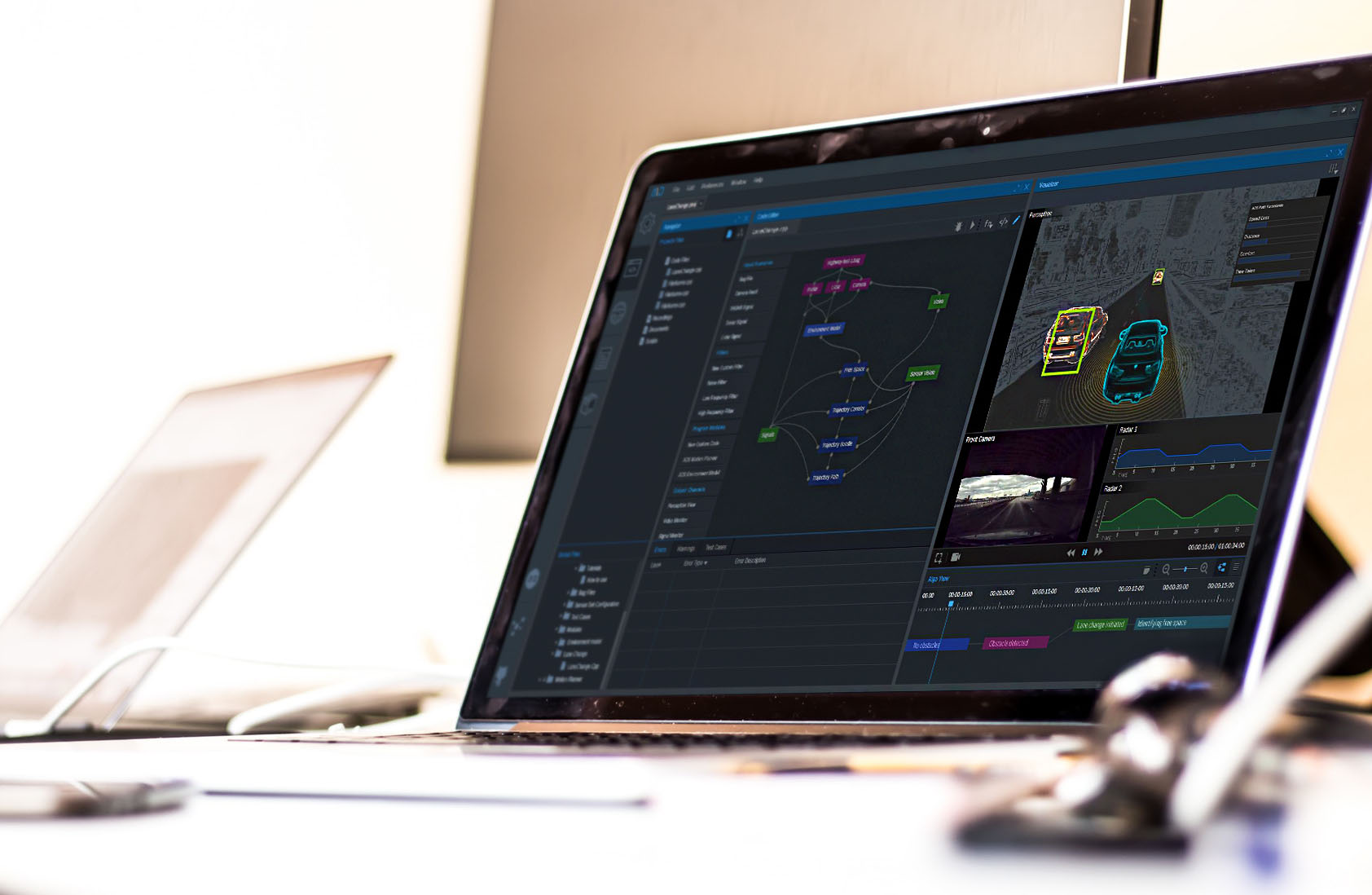
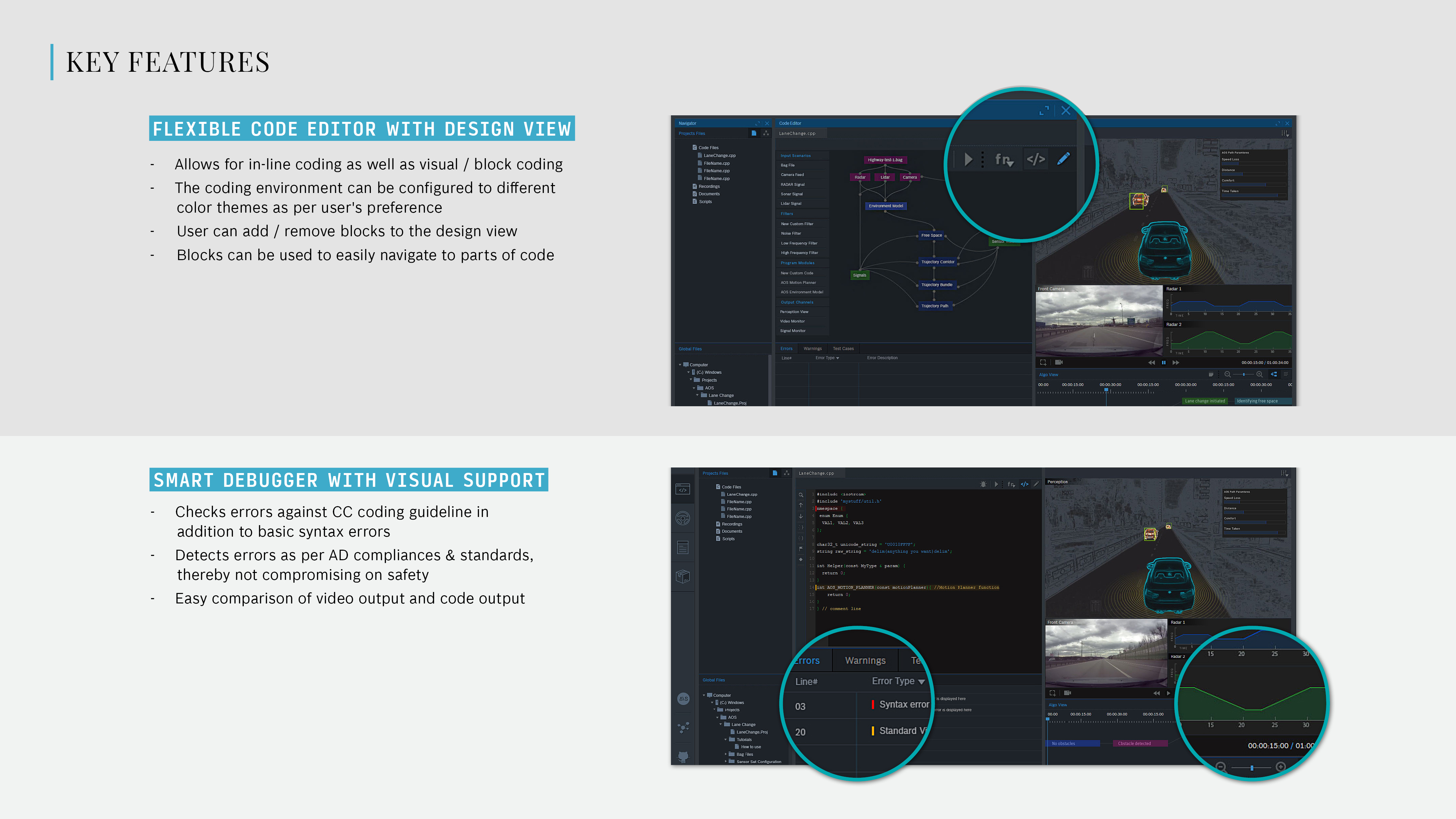
Code: The editor supports both inline and block programming, while a customisable data visualiser enables more efficient testing. Real-time warnings flag non-compliance with coding guidelines and industry standards.
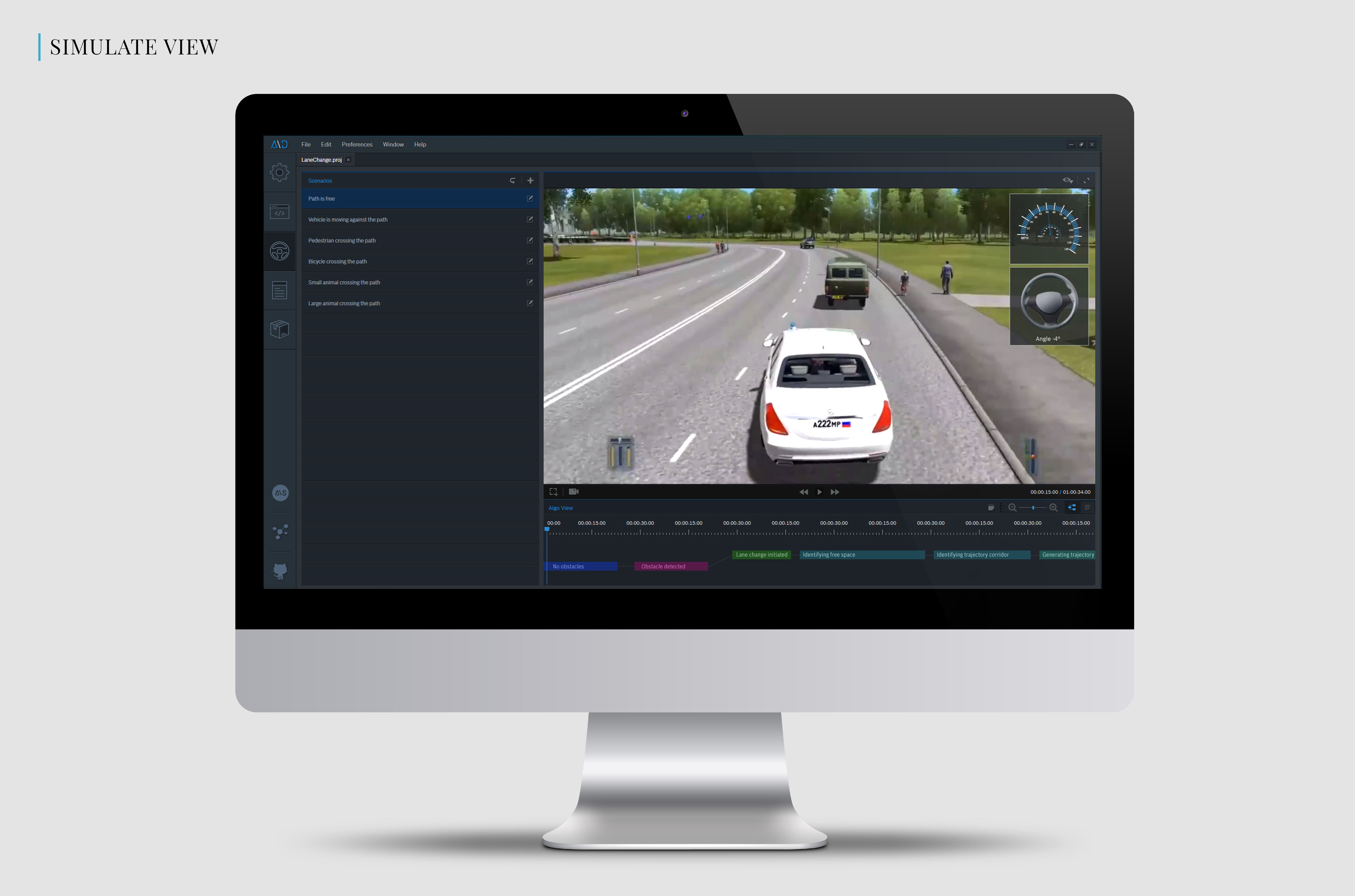
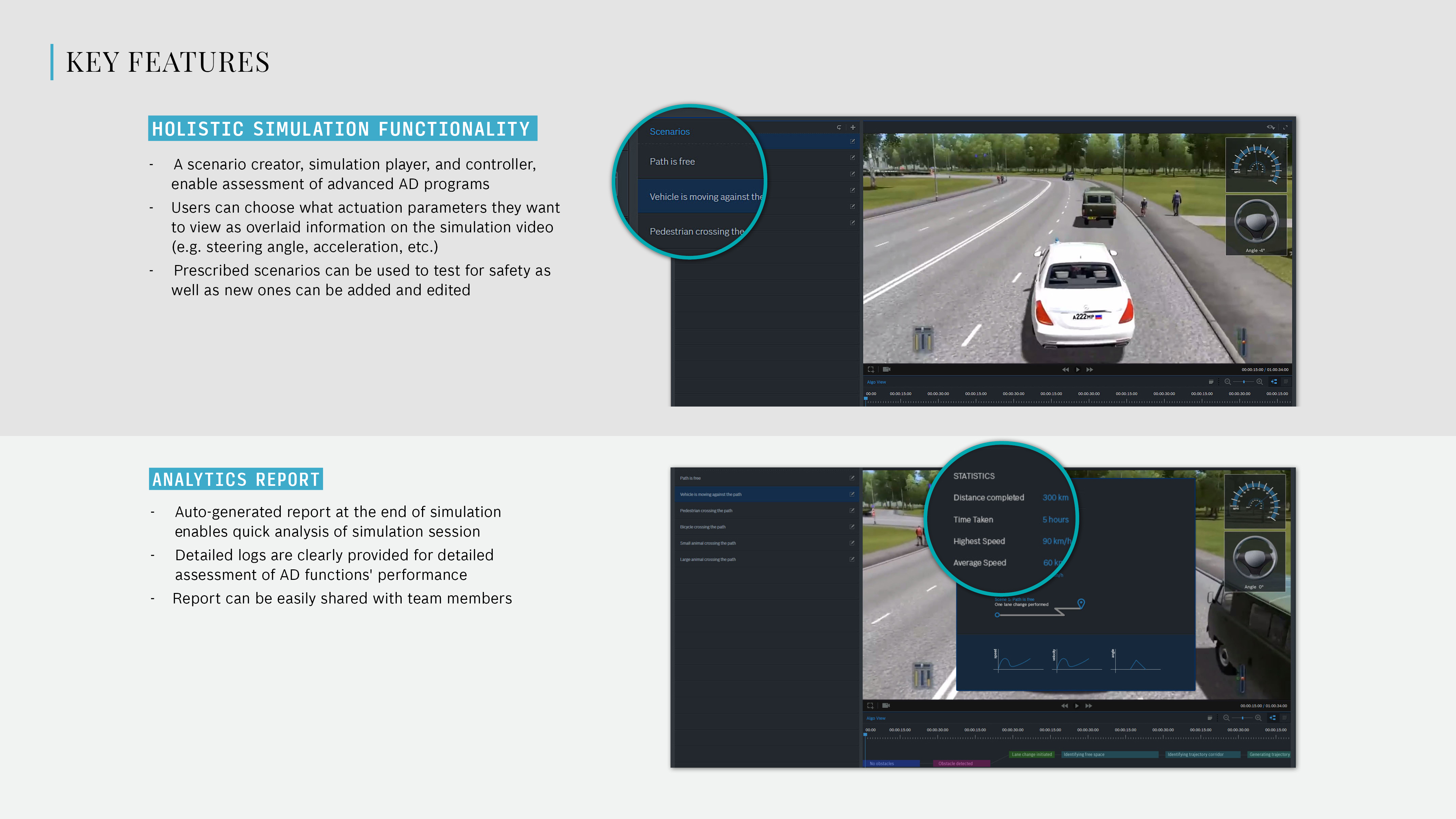
Simulate: For system-level testing, users can run programs across predefined scenarios and view vehicle states and data such as speed. A detailed report is generated at the end, making troubleshooting more efficient.
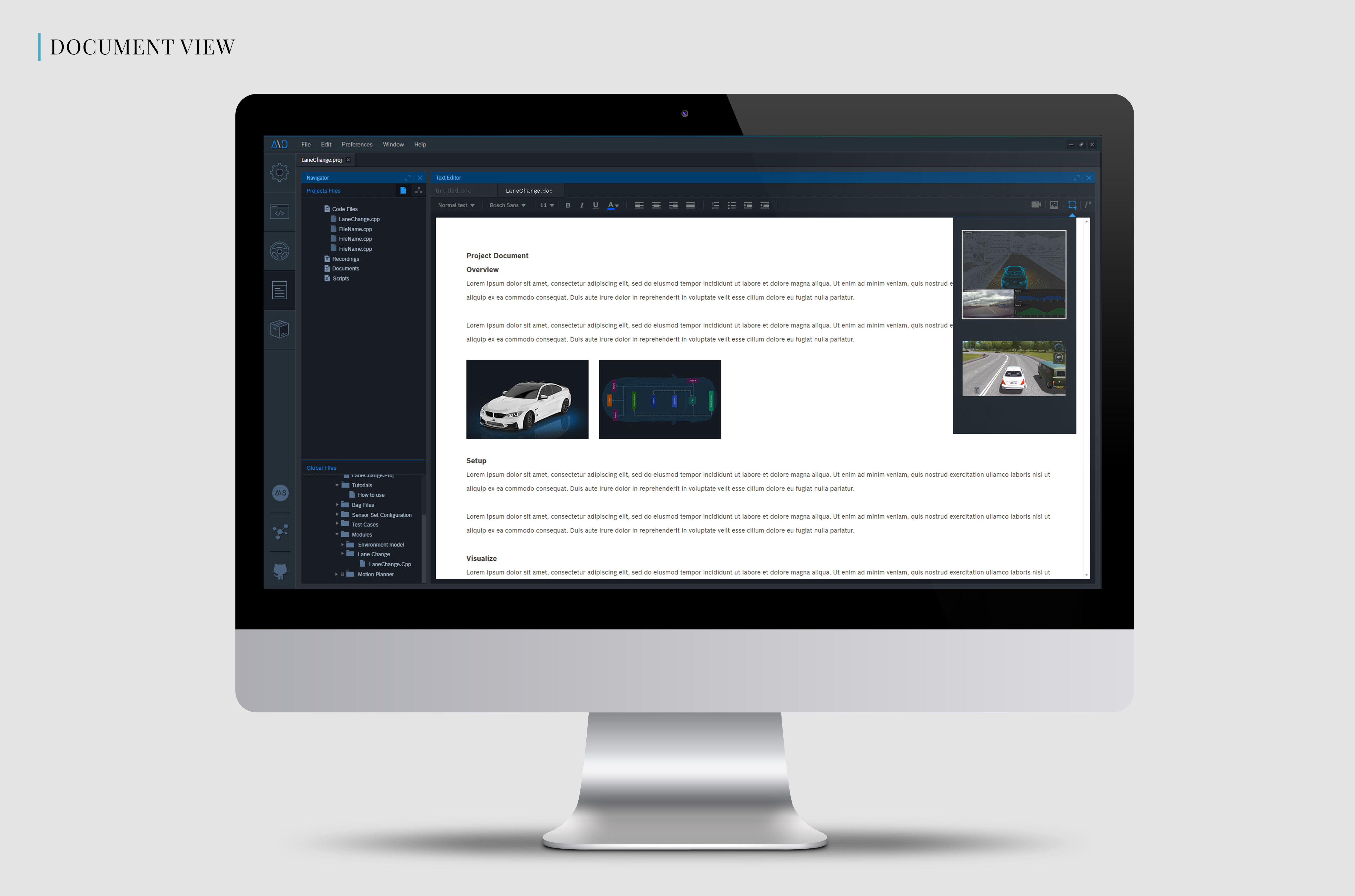
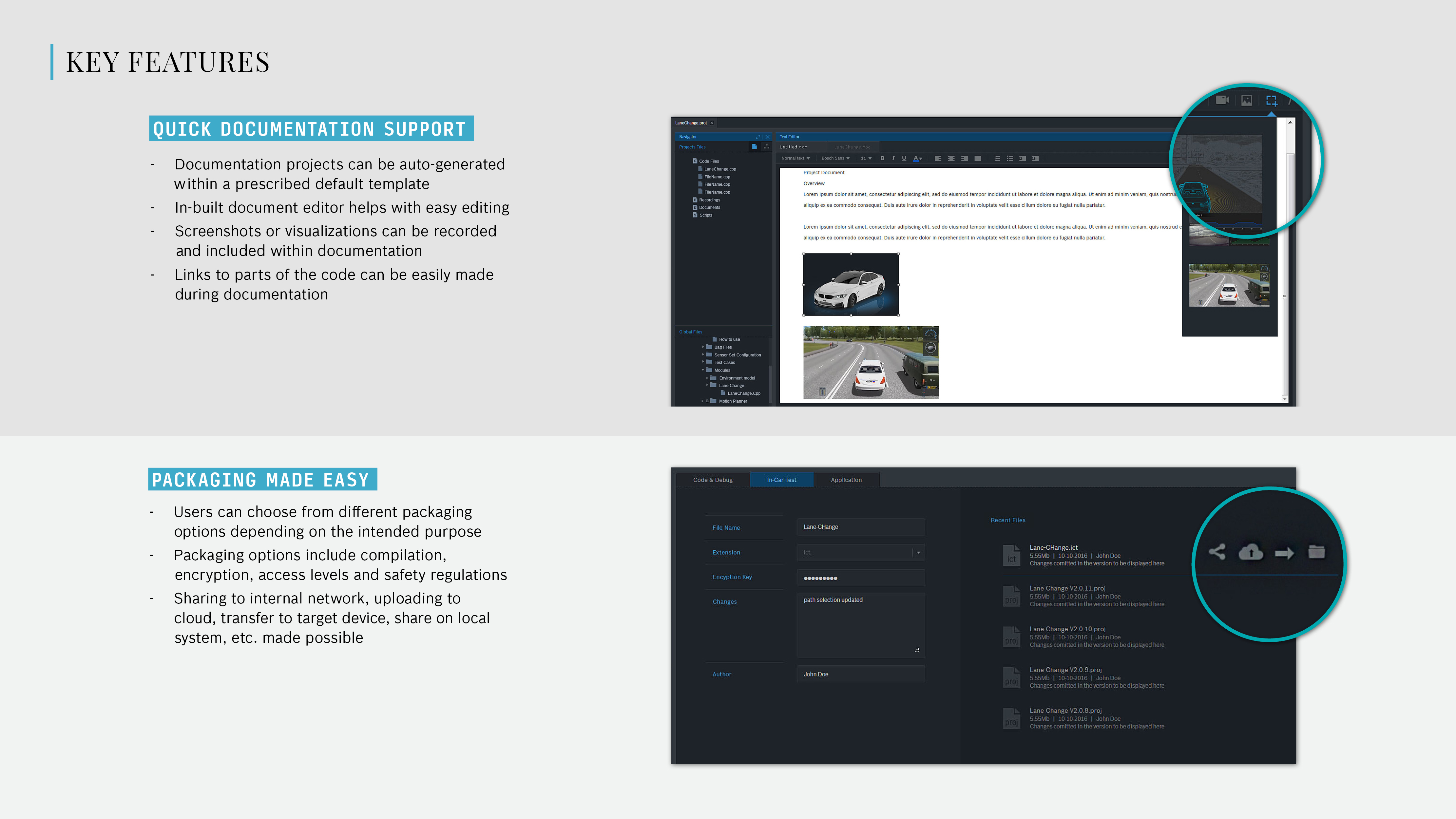
Document: An editable, auto-generated template supports documentation of workflows, ideas, and updates. The tool surfaces recently recorded screenshots and video clips with annotations.
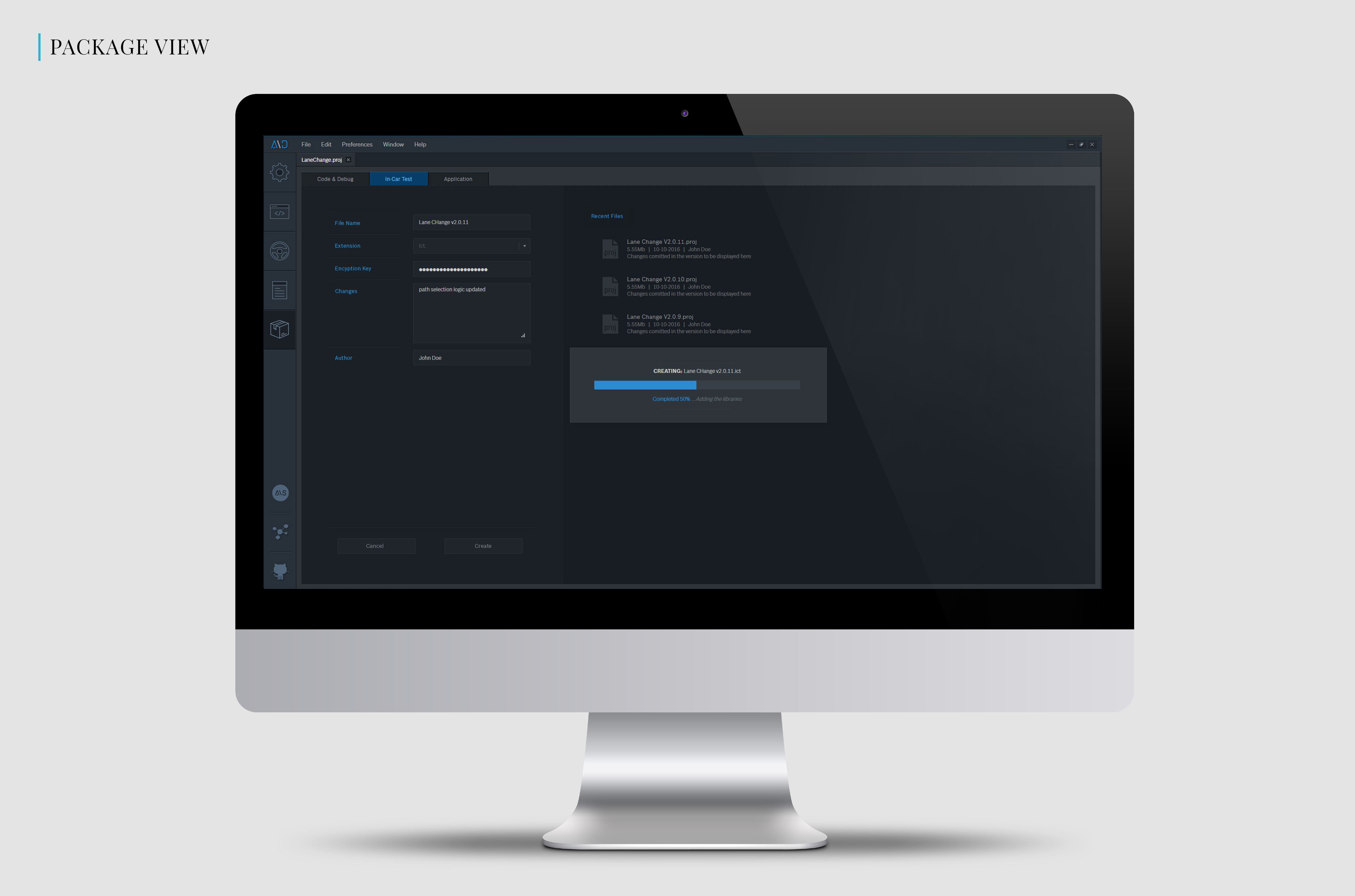
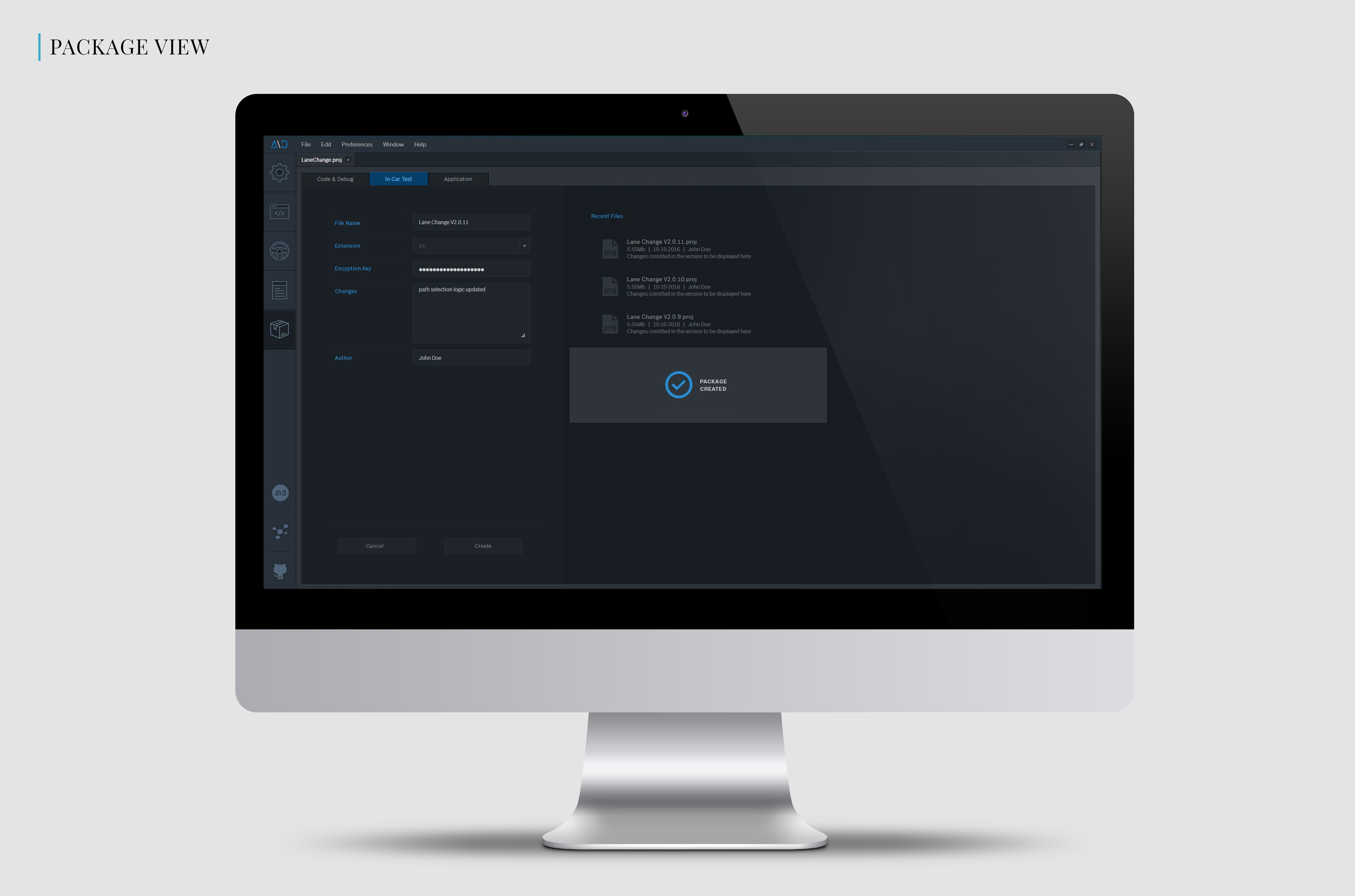
Package: Security checks, export options, device transfers, and sharing capabilities support successful handoff and collaboration.
Concept Validation
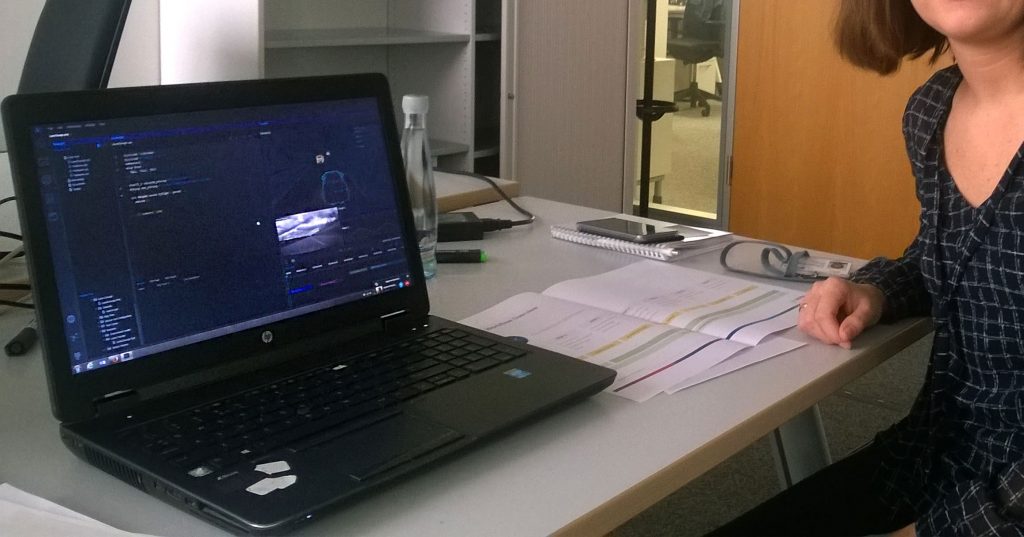
A high-fidelity prototype was tested with automated driving programmers across different roles. Feedback was used to refine interactions, scope, and feature prioritisation.
“I would like it if AD programming does become simplified, and this is a small step in that direction.”
Outcome
A key challenge was aligning stakeholders who held fundamentally different perspectives on what an AD-specific IDE should do and be. The design process created a shared language and vision across the team — and the high-fidelity prototype was presented to C-suite stakeholders, receiving strong positive feedback and sparking further discussion around the future of integrated AD development.